The Moment That Changed Everything
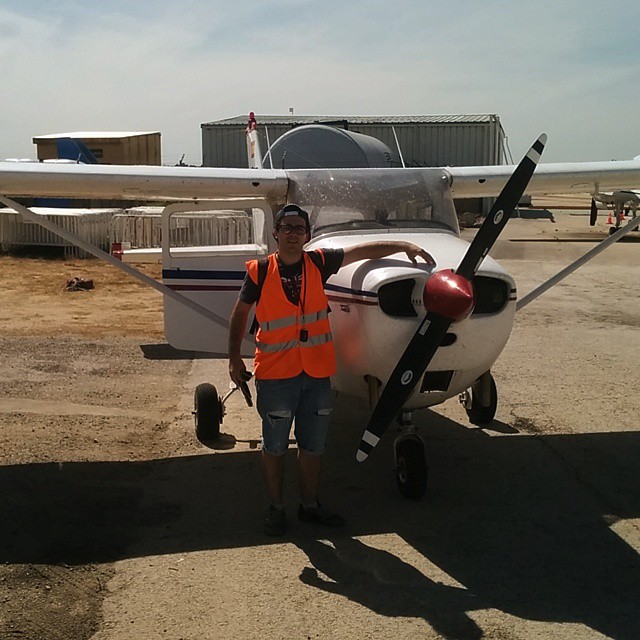
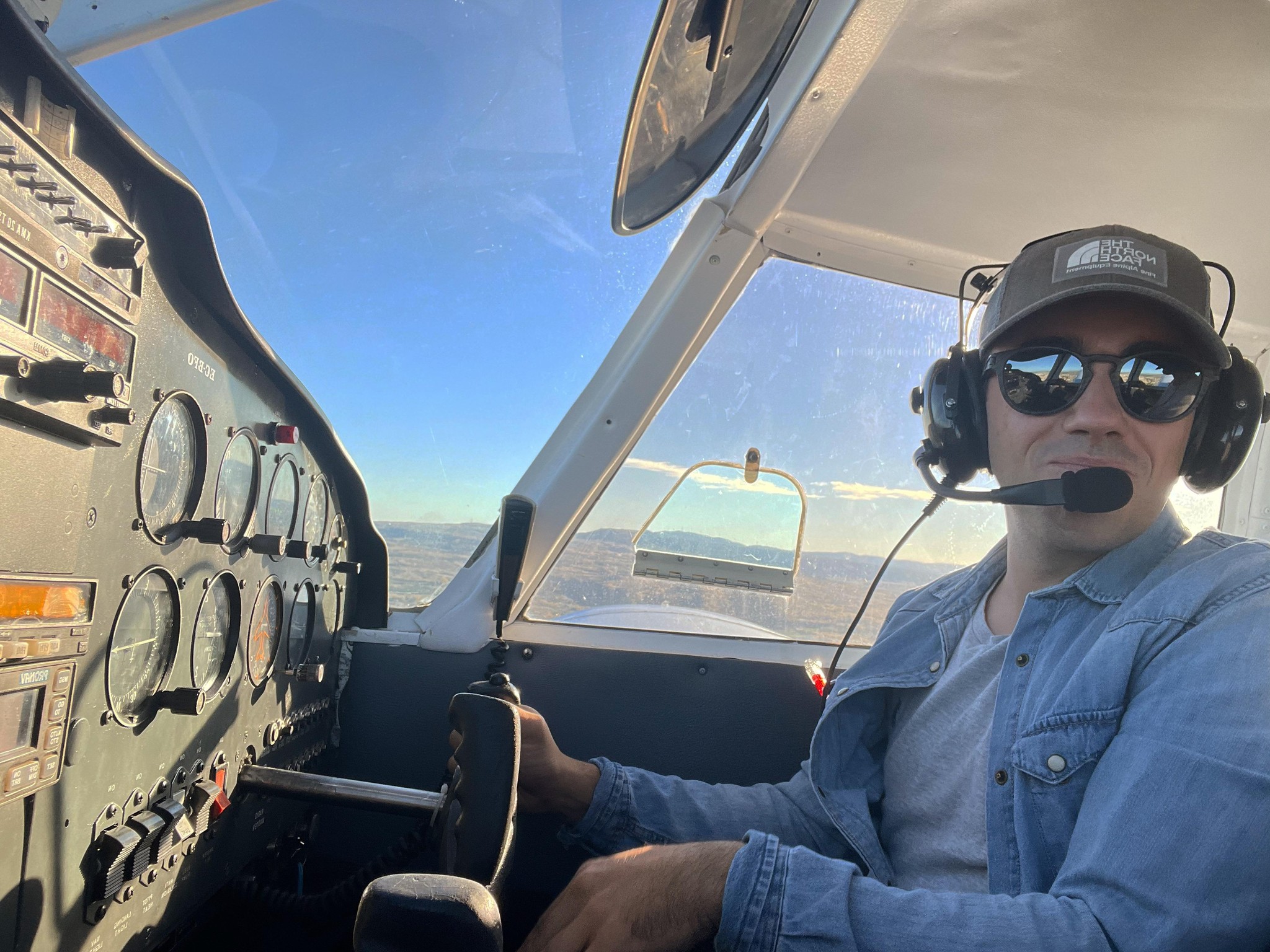
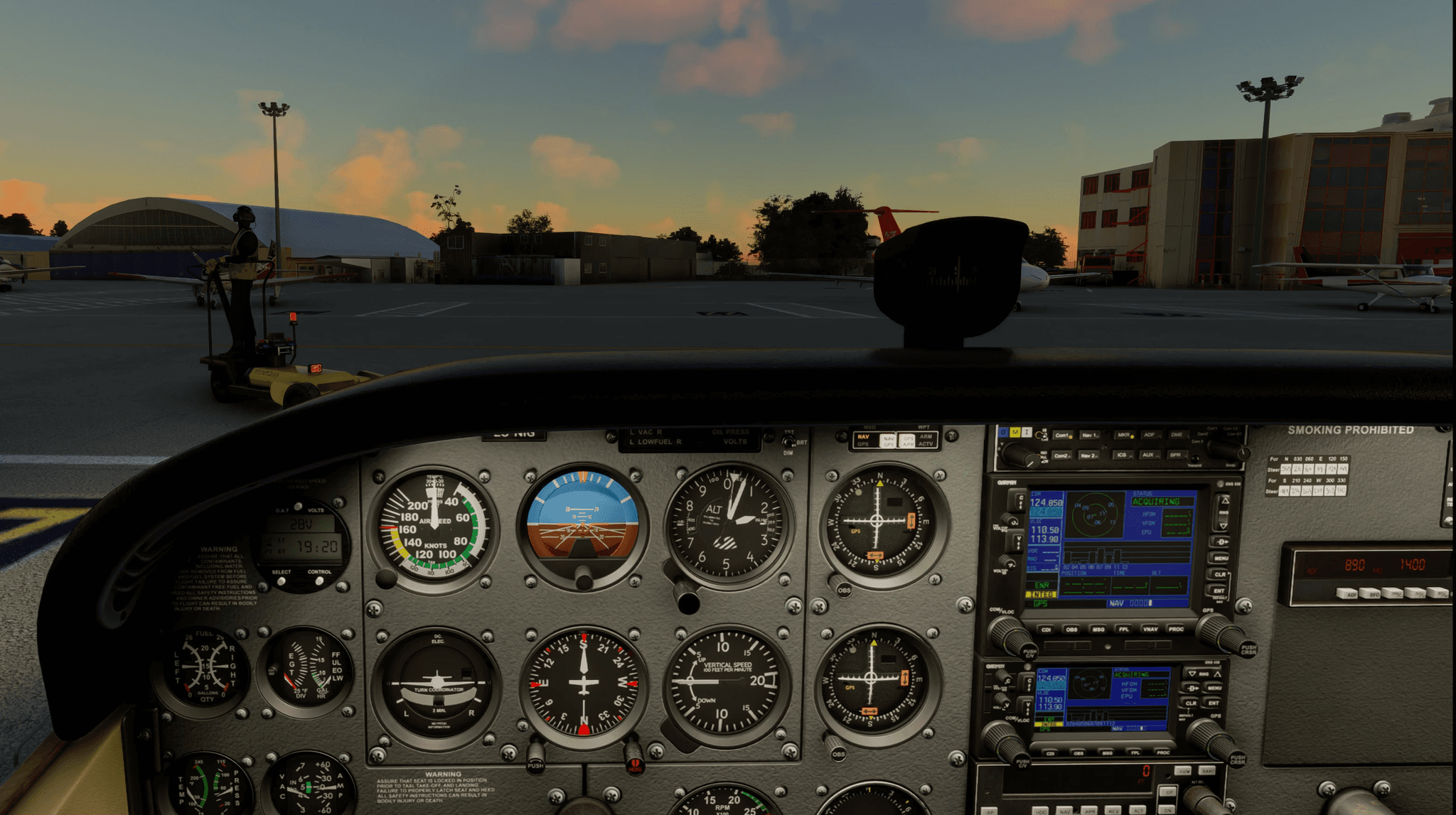
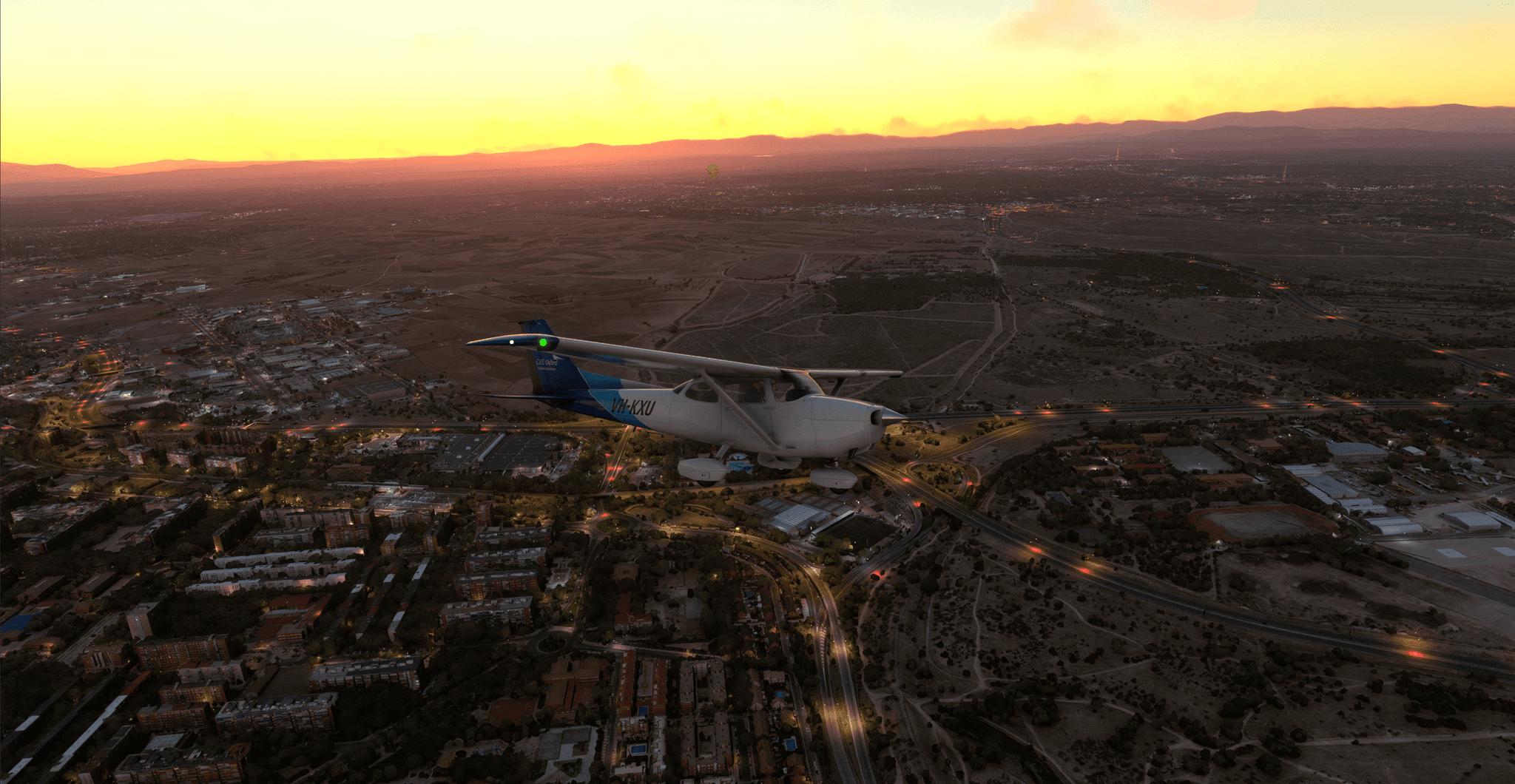
2015. Madrid. A Cessna 152.
I was 28 when my friend David, a flight instructor, invited me to fly. As an obsessively curious product designer, I started bombarding him with questions about every instrument, every button, every design decision in that cockpit.
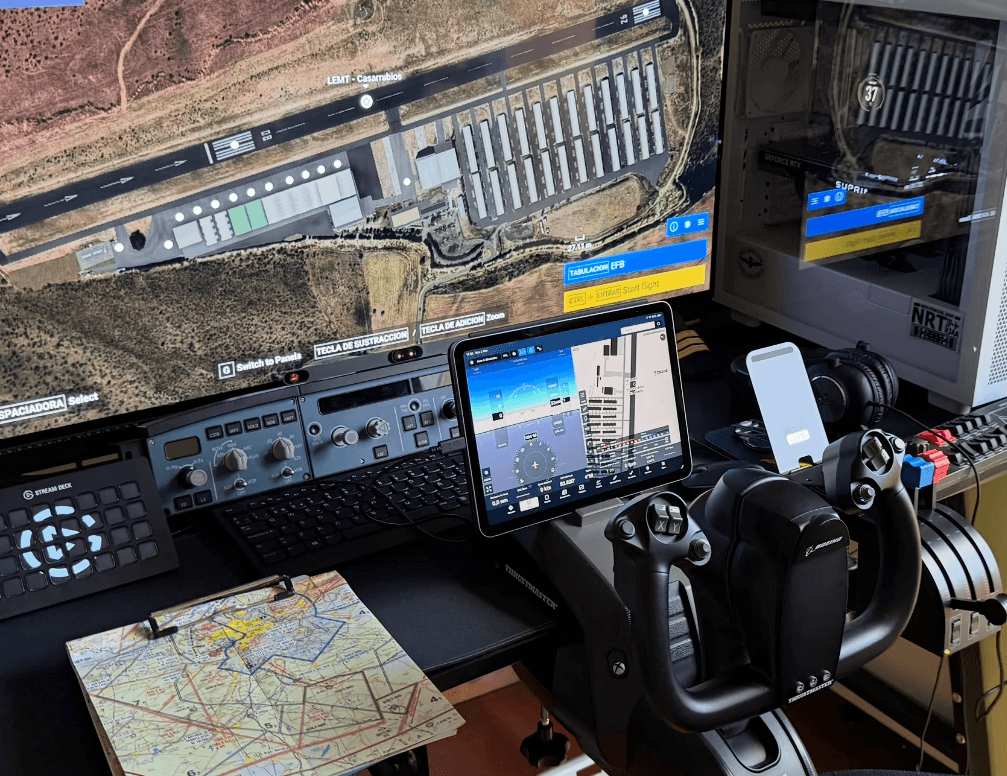
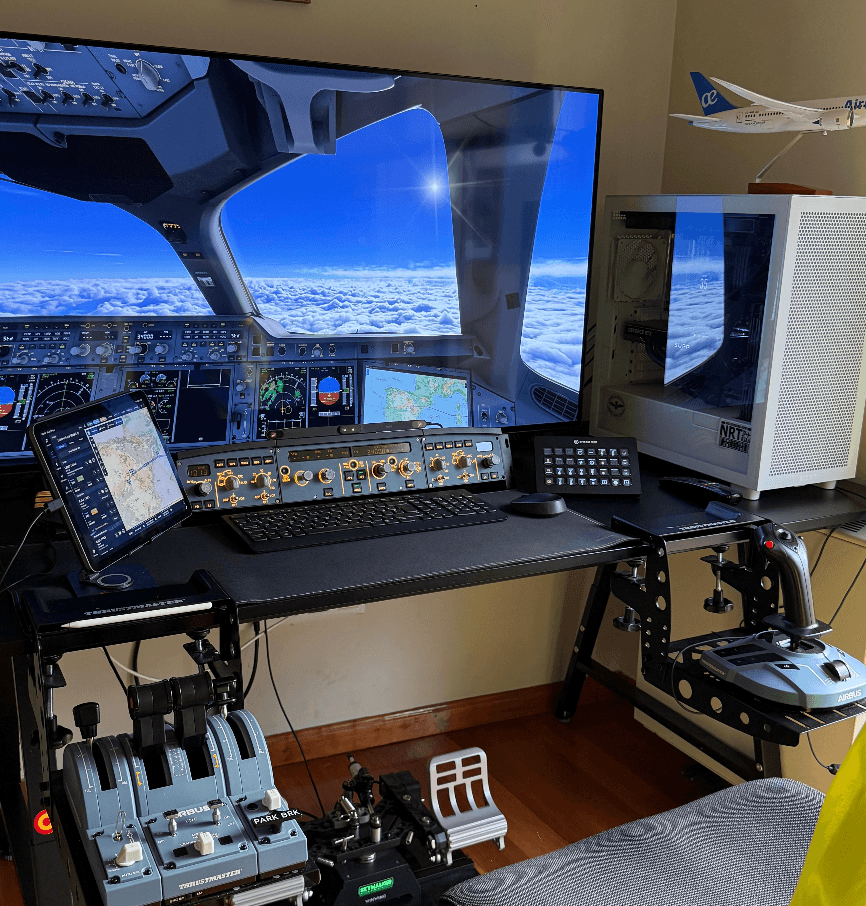
Weeks later, I had built my first flight simulator.
But this was never a game—I wanted to learn to fly for real.
The Decade of Learning
2015-2018: The Foundations
Built my first professional simulation setup
Discovered Navigraph and witnessed its complete evolution
A friend Erik who flies the 737 showed me commercial aviation
IFR concepts finally clicked
The Moment That Changed Everything
2015. Madrid. A Cessna 152.
I was 28 when my friend David, a flight instructor, invited me to fly. As an obsessively curious product designer, I started bombarding him with questions about every instrument, every button, every design decision in that cockpit.
Weeks later, I had built my first flight simulator.
But this was never a game—I wanted to learn to fly for real.
The Decade of Learning
2015-2018: The Foundations
Built my first professional simulation setup
Discovered Navigraph and witnessed its complete evolution
A friend who flies the 737 showed me commercial aviation
IFR concepts finally clicked
2018-2021: The Training
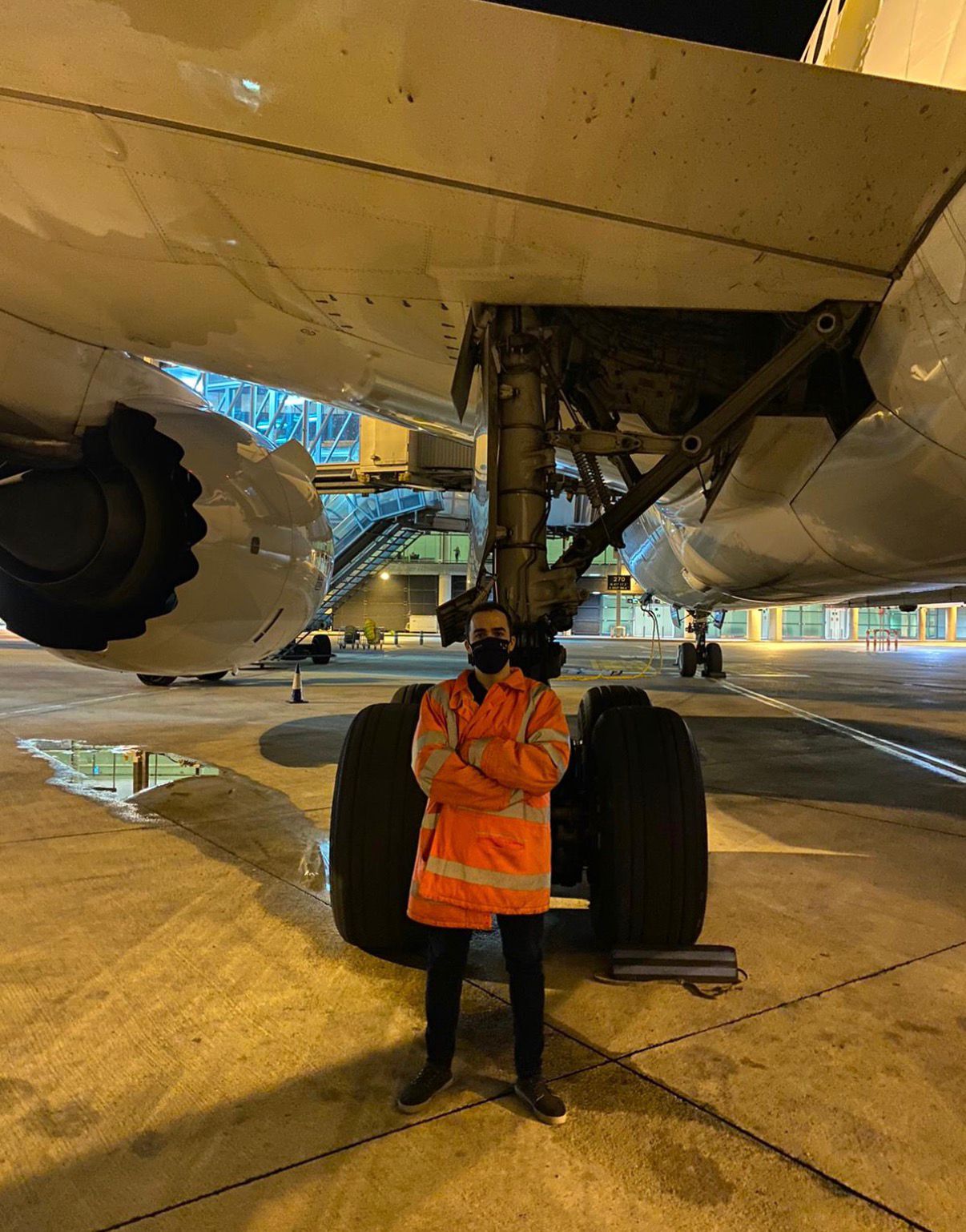
My friends Erik and Juanito, a 787 pilots, challenged me: "You need to get your PPL."
I did:
✅ 9 theoretical PPL
✅ 14 hours of real flight time (Cessna 152, 172, PA-28)
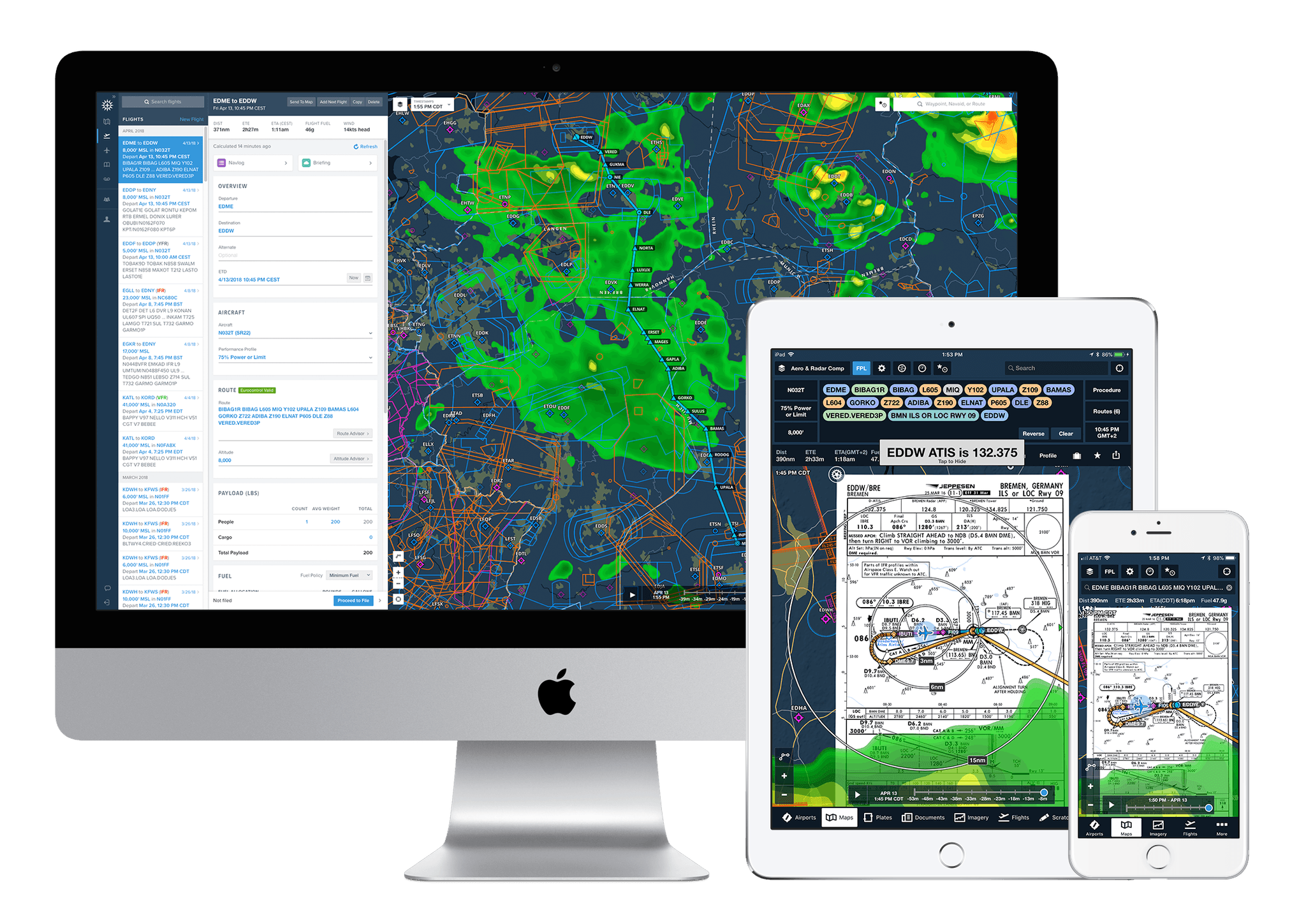
✅ Discovered ForeFlight and fell in love
✅ Achieved my goal: real knowledge to fly correctly
2021-2025: Current
Built a second complete setup (AMD X3D, RTX 4090Ti, 64GB RAM)
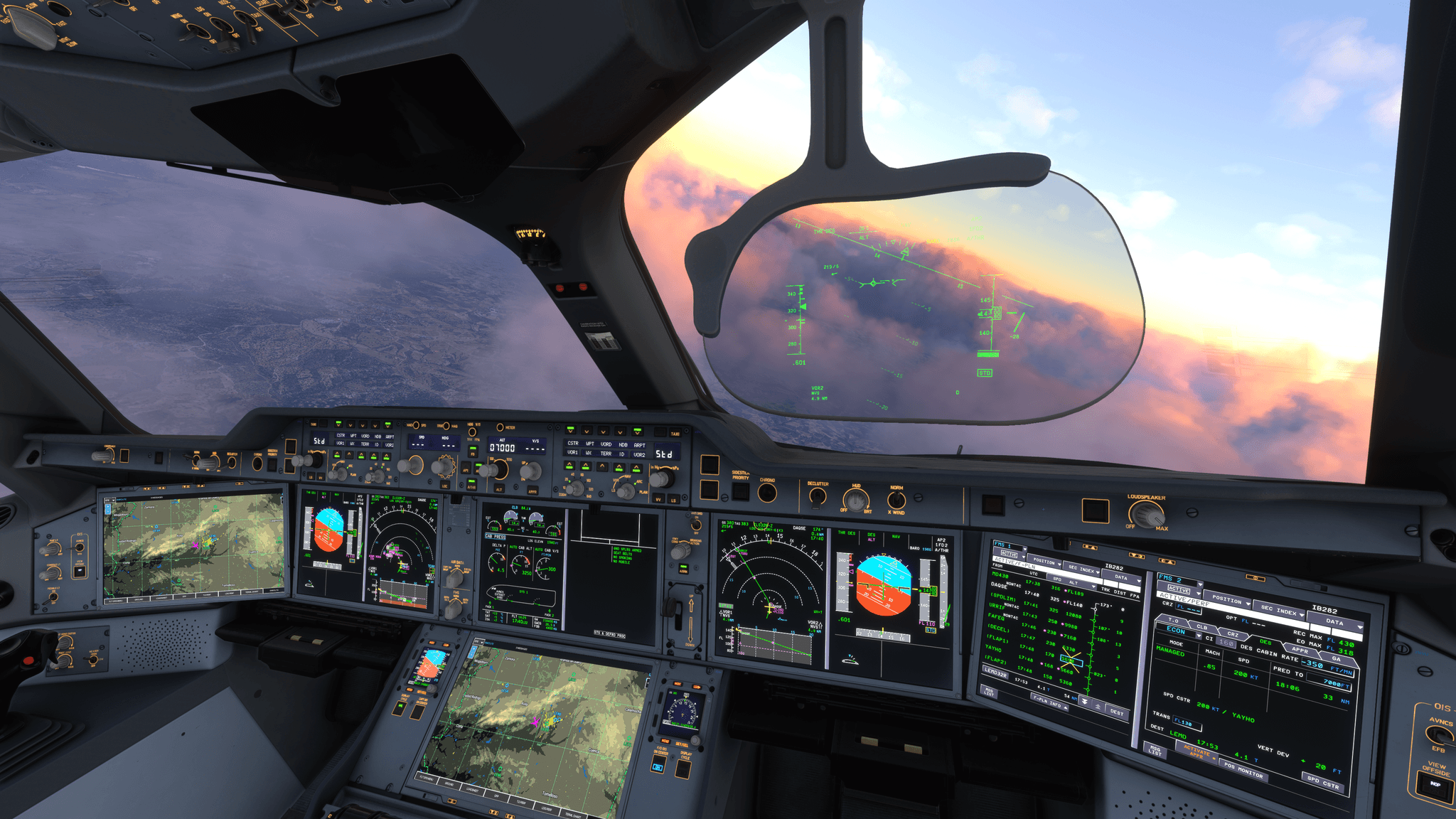
500+ hours in Boeing 737/787
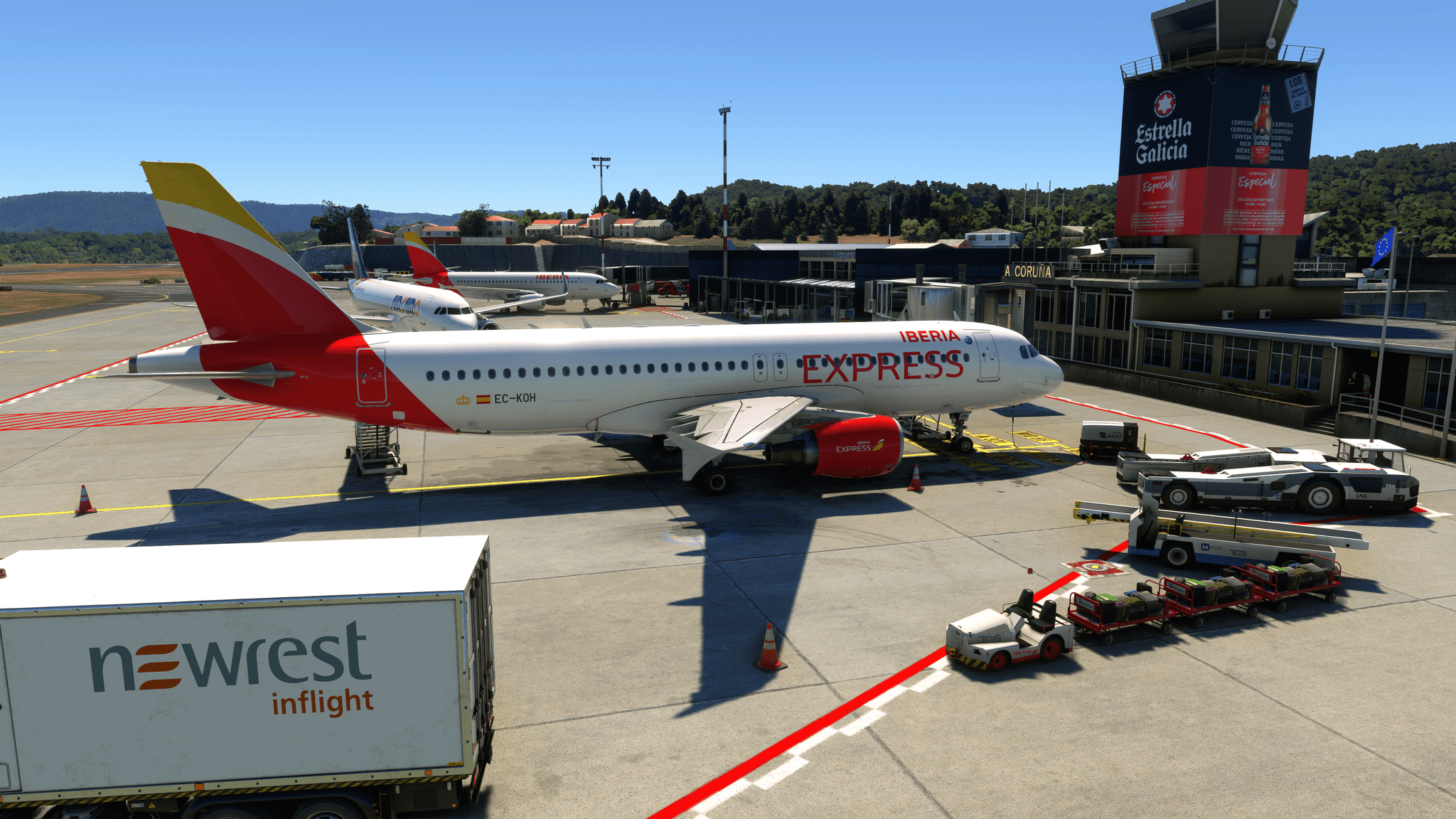
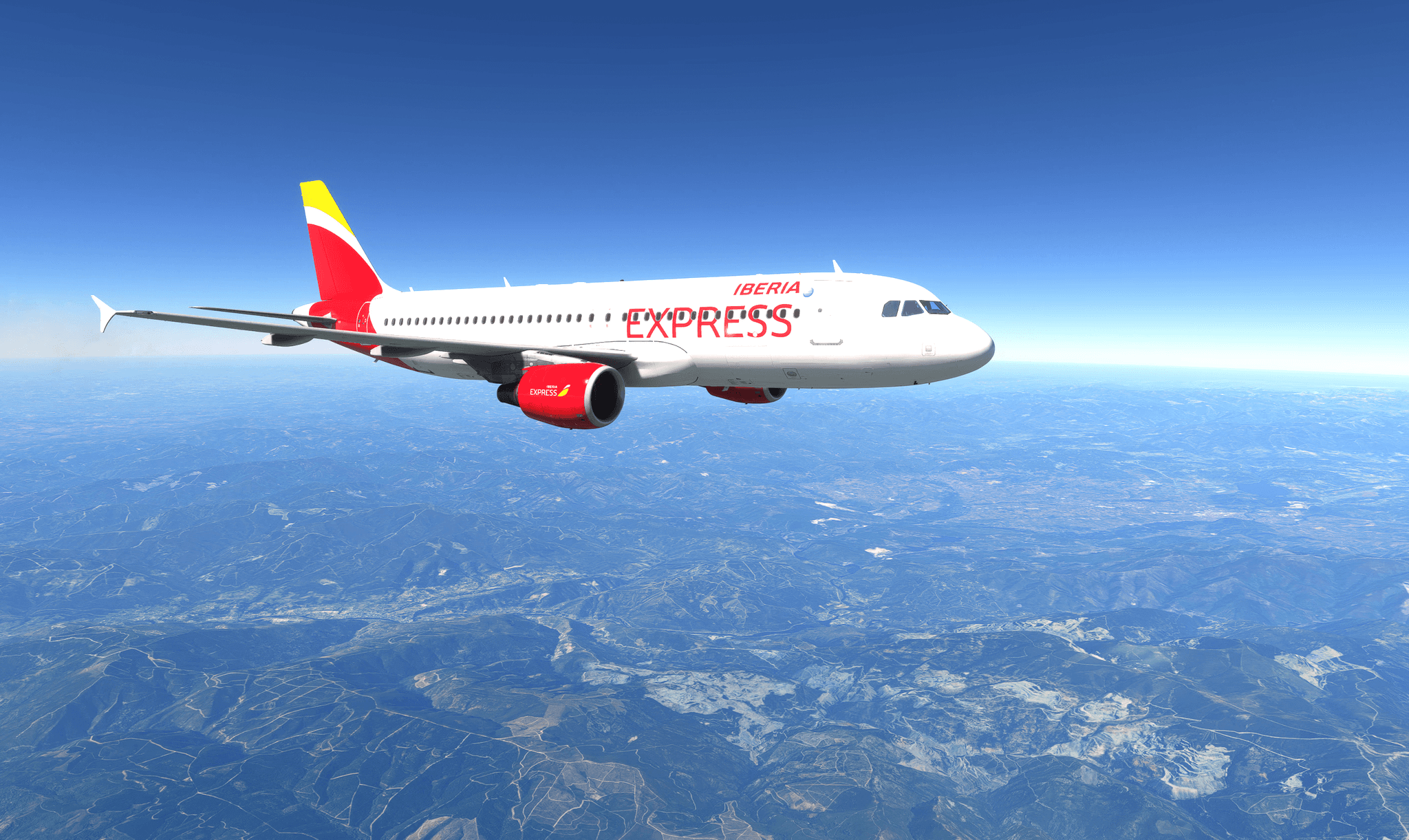
500+ hours in Airbus A320
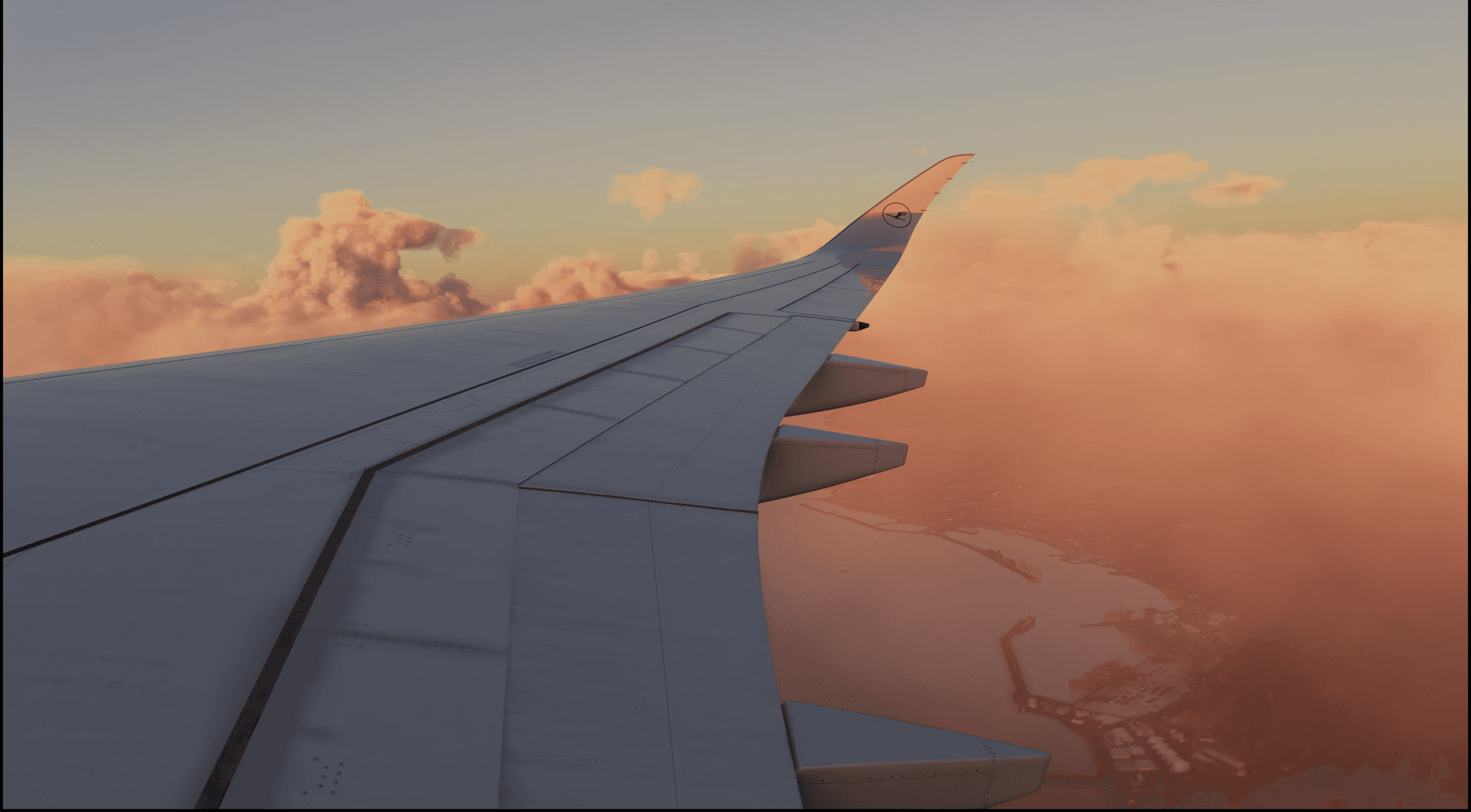
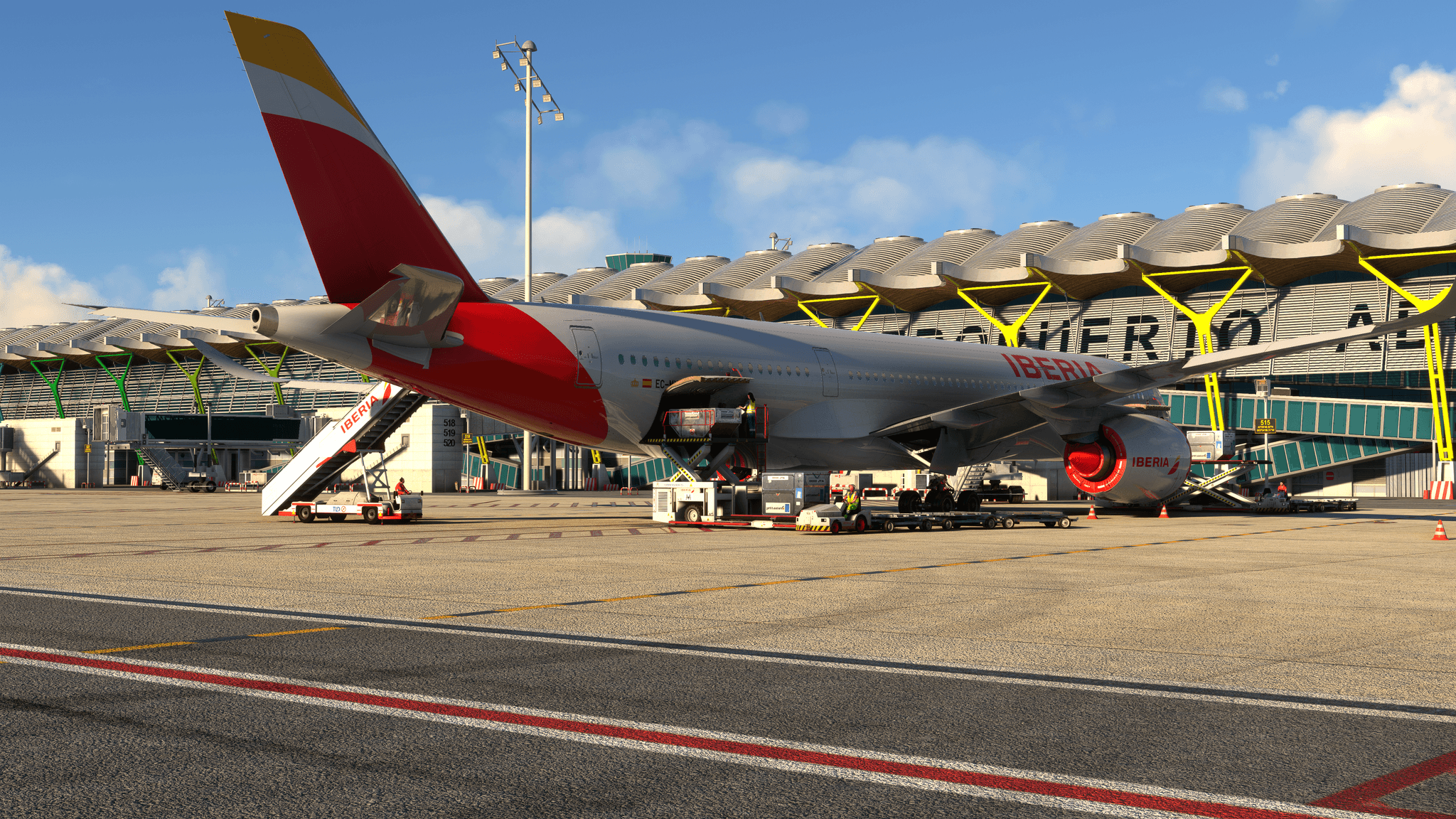
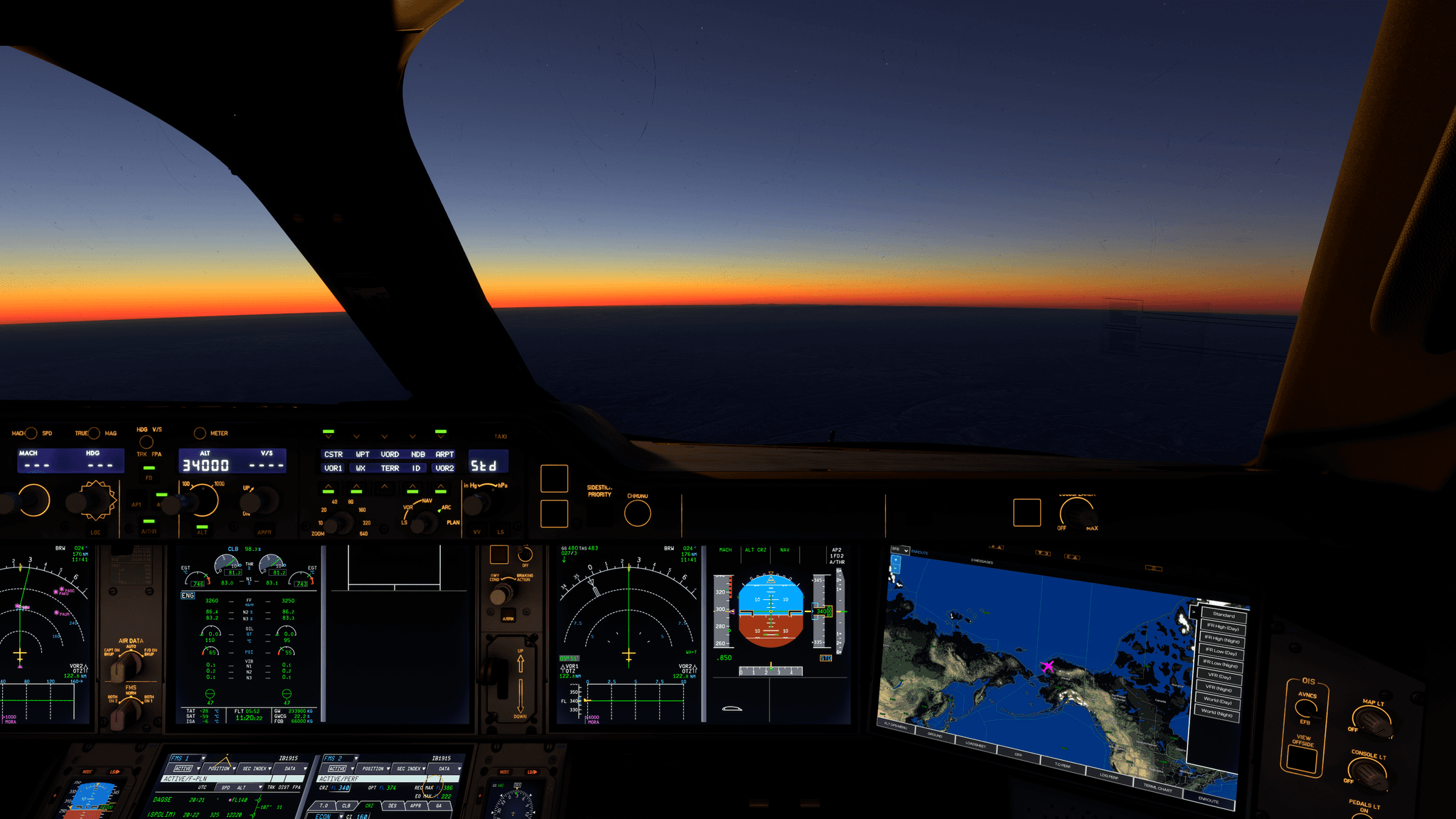
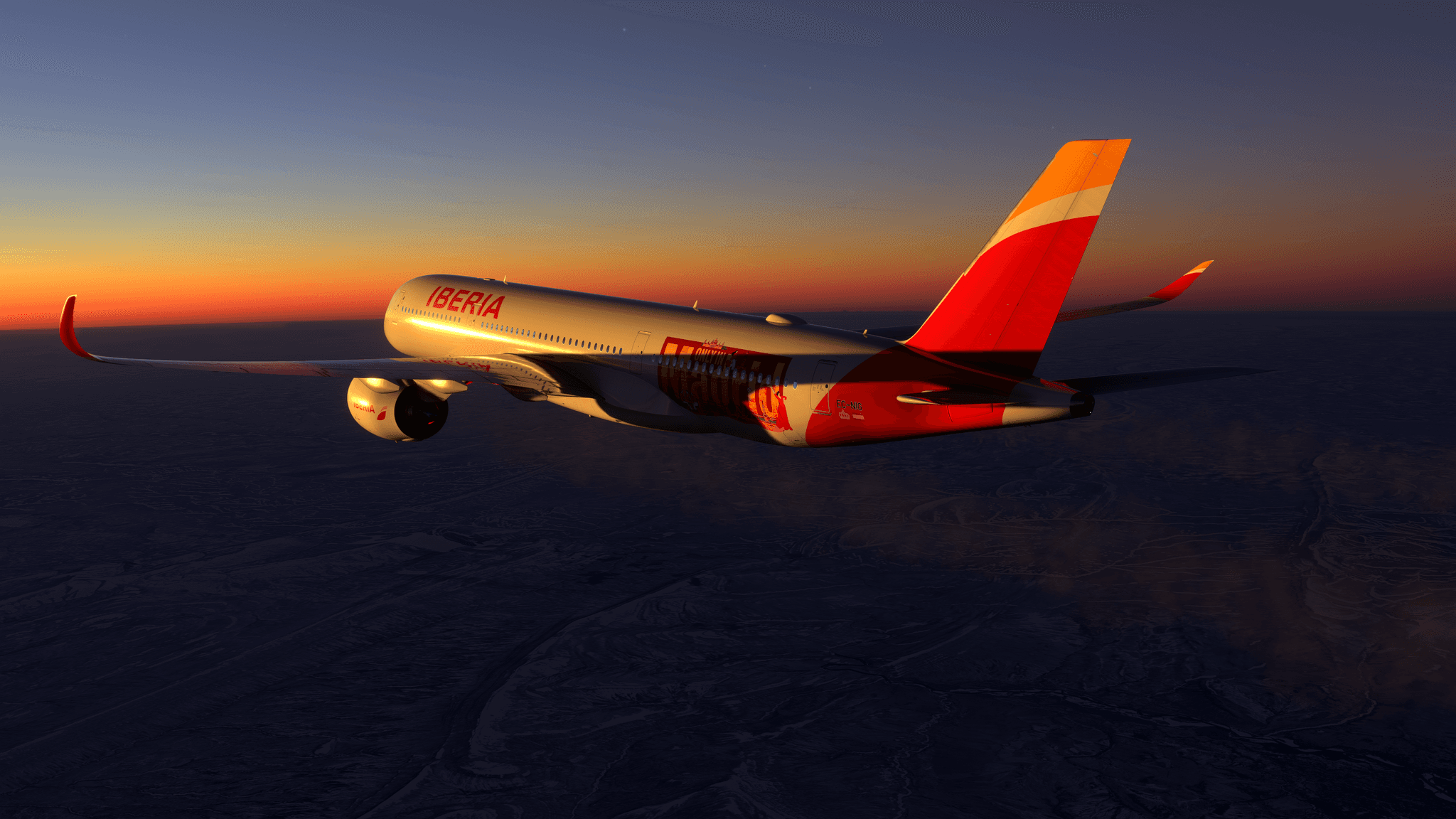
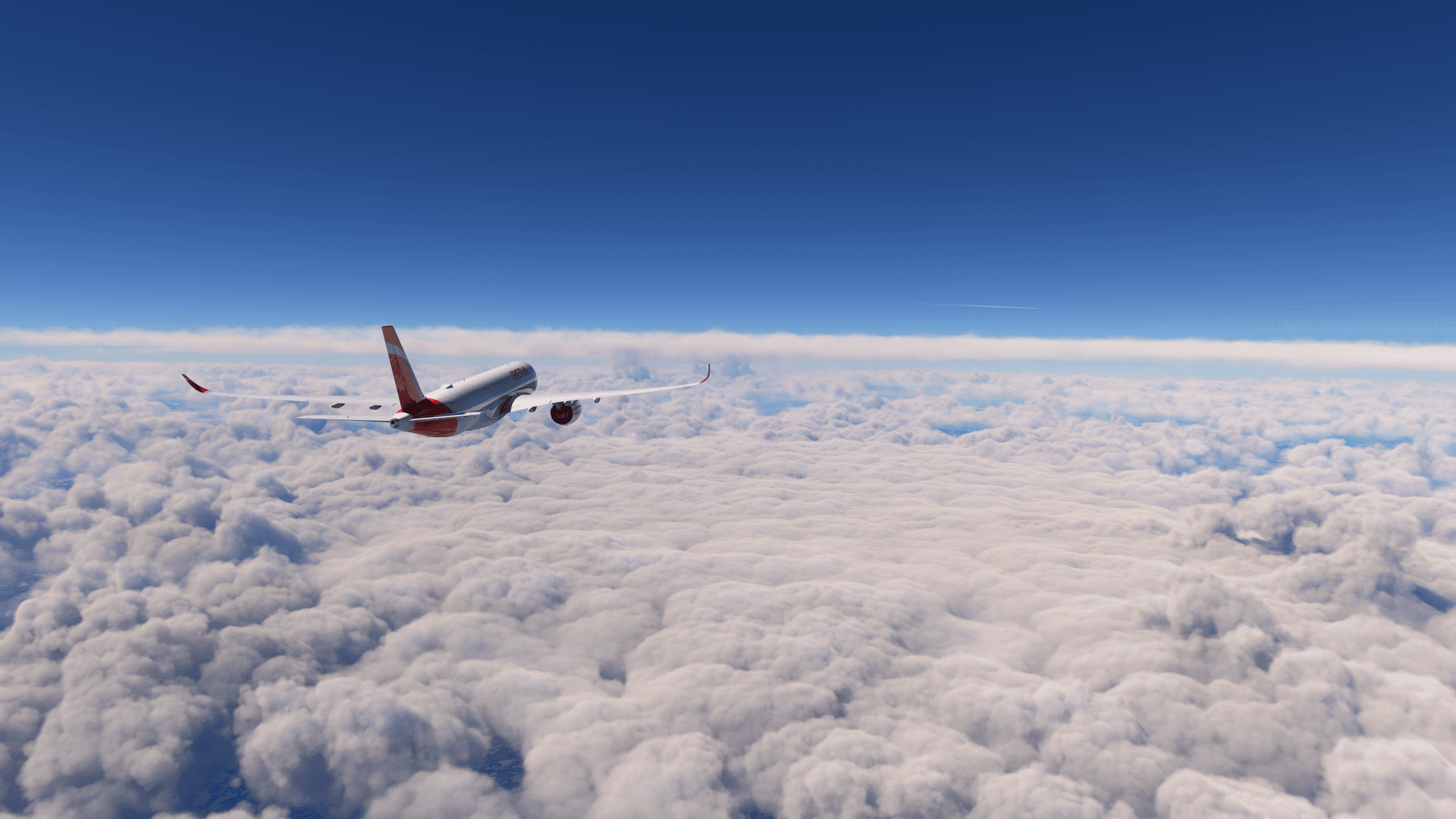
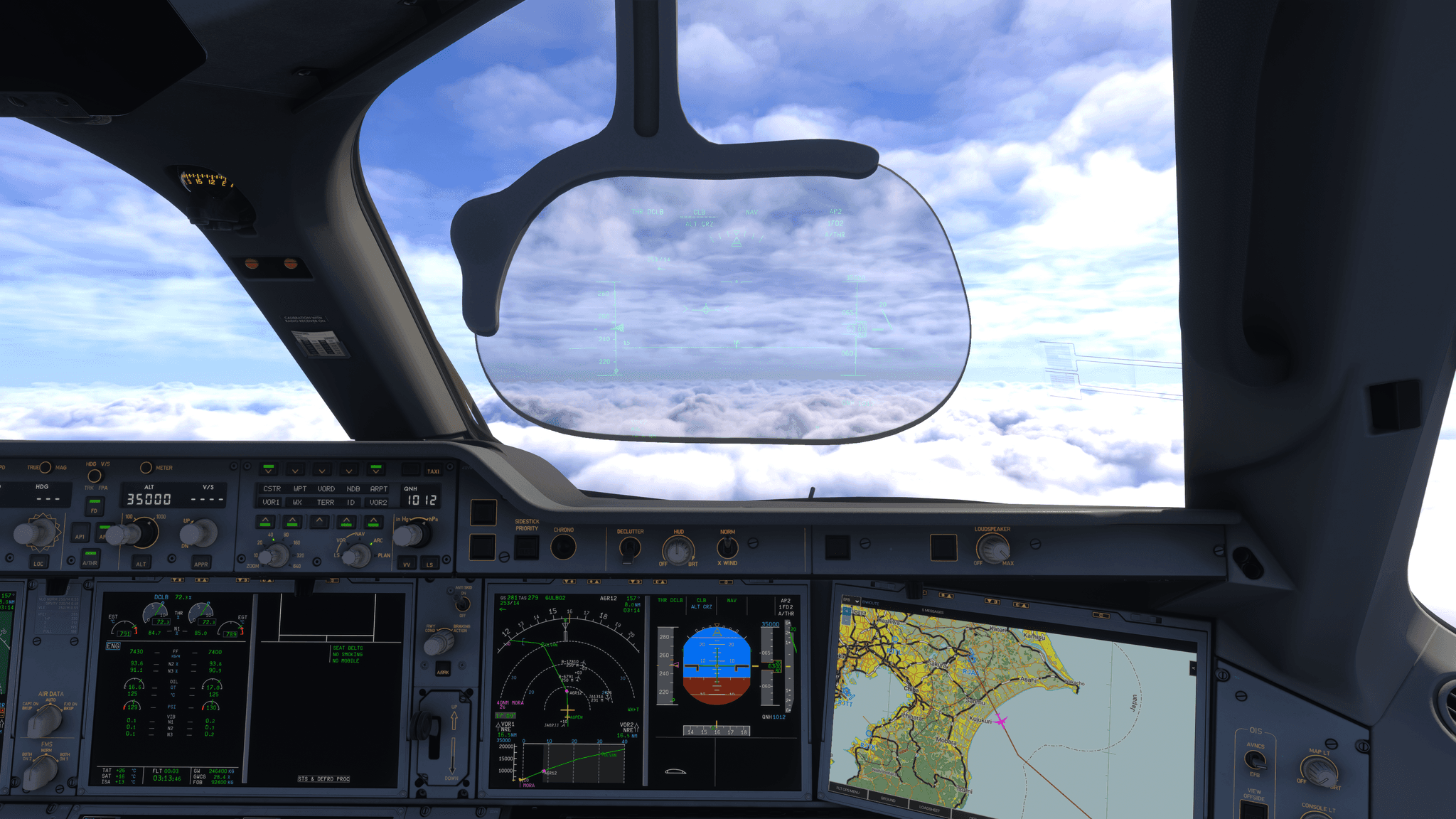
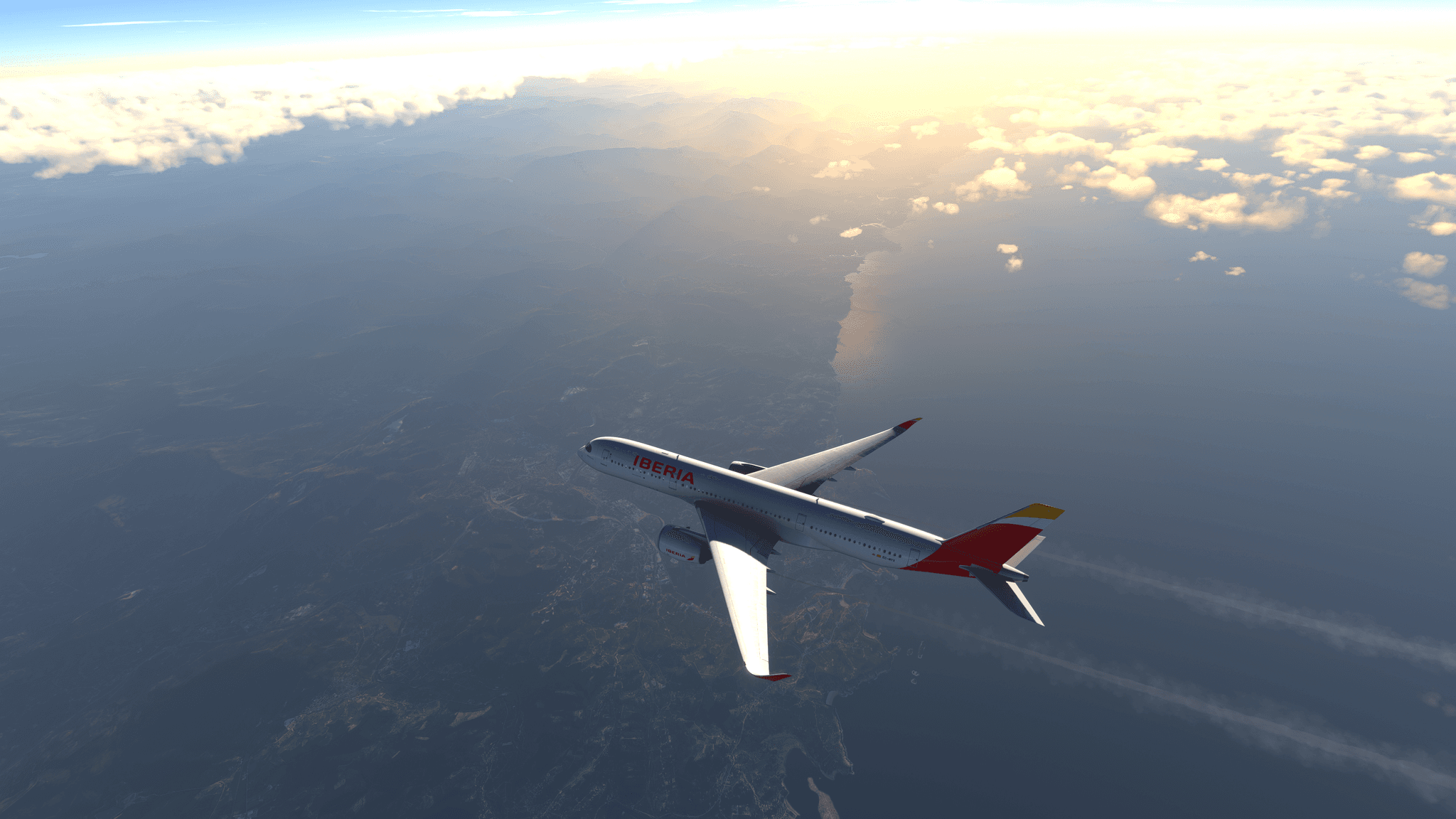
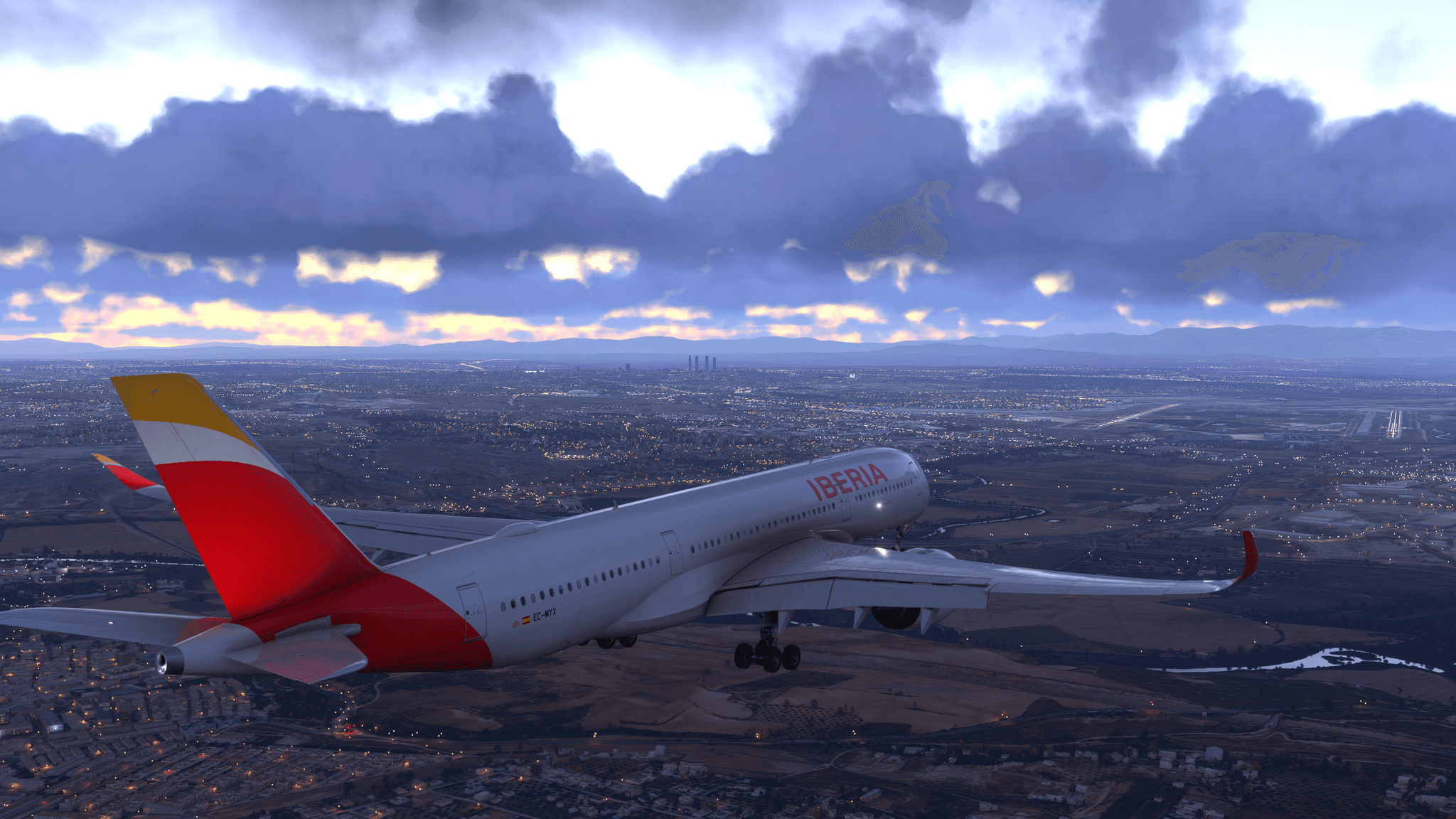
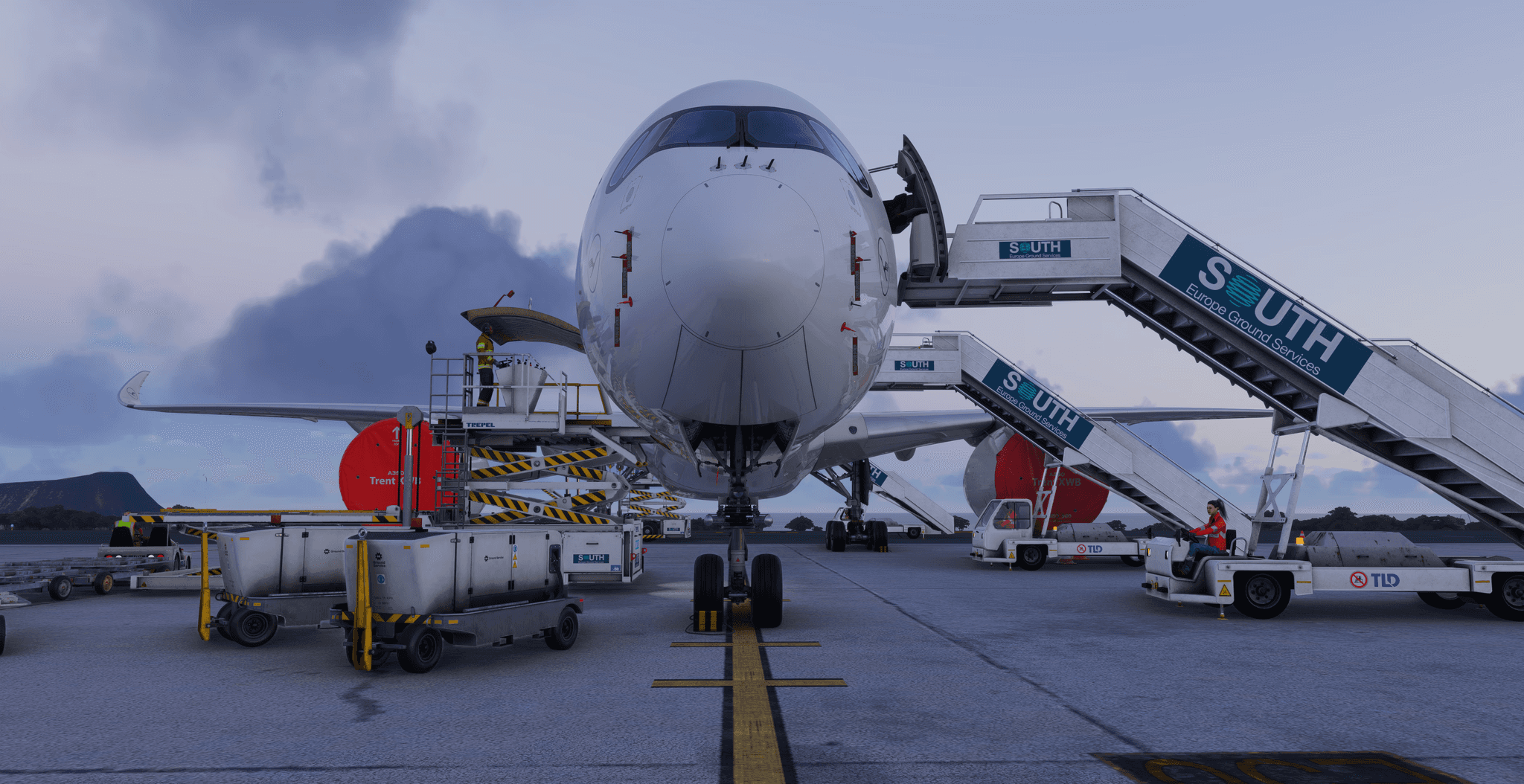
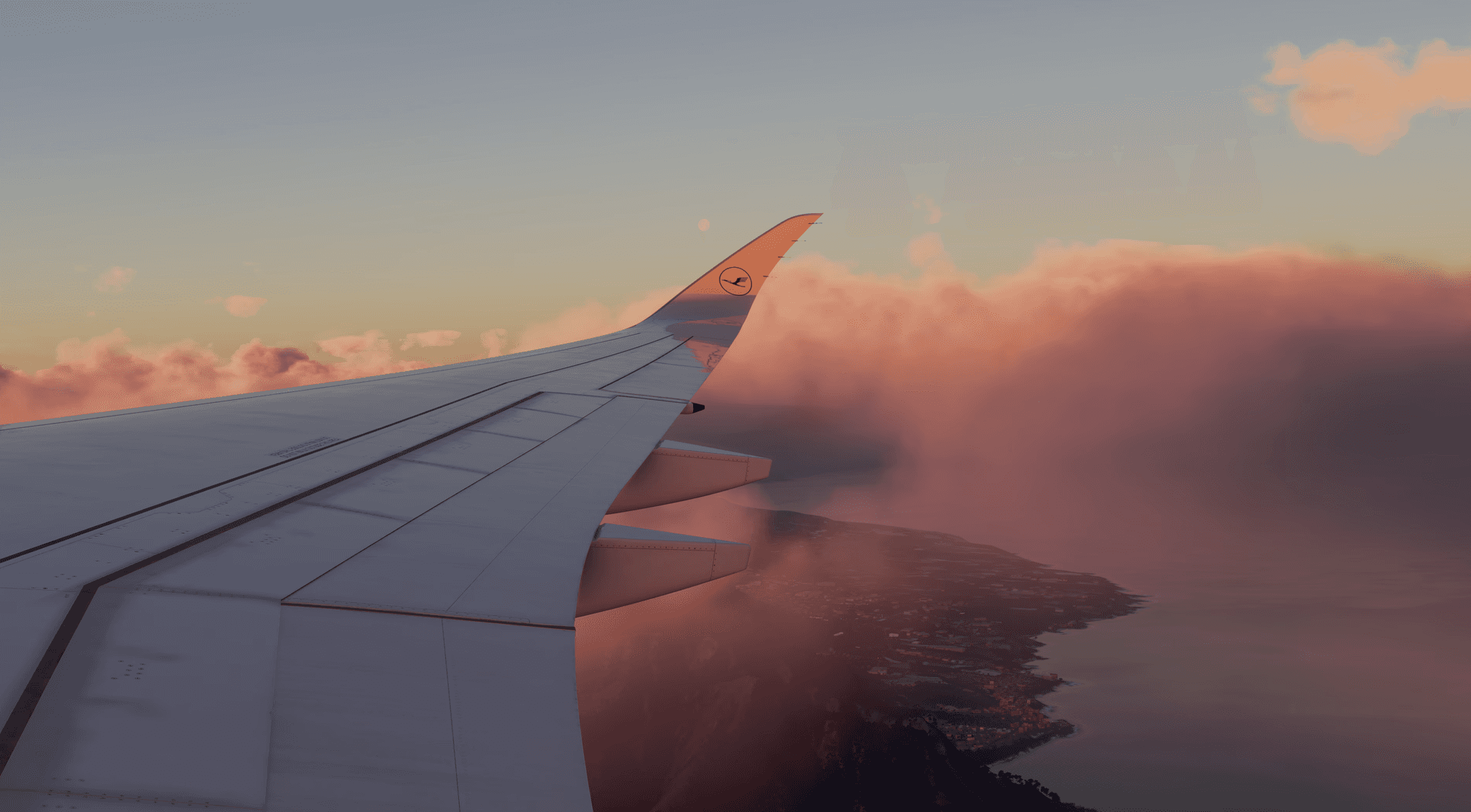
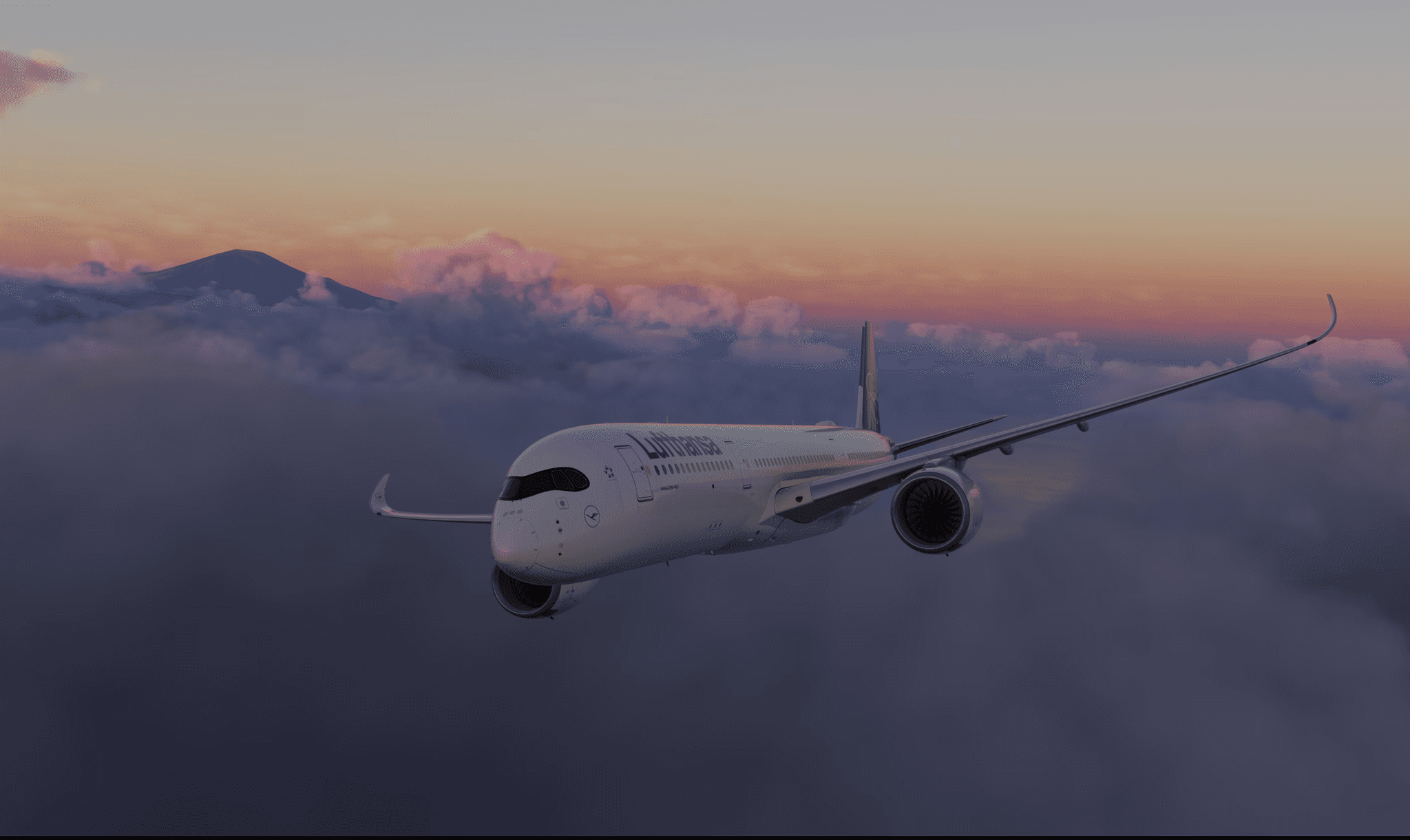
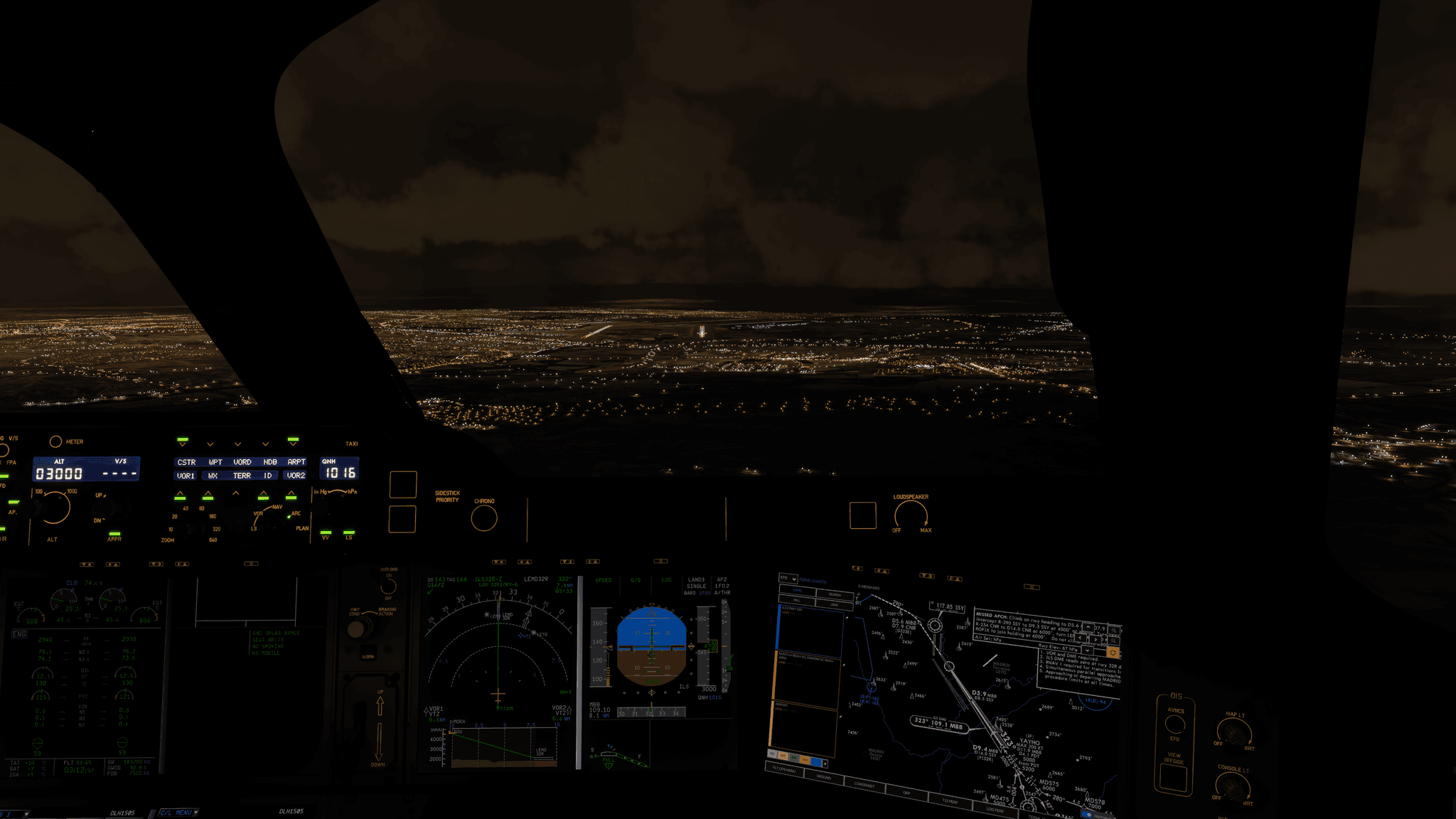
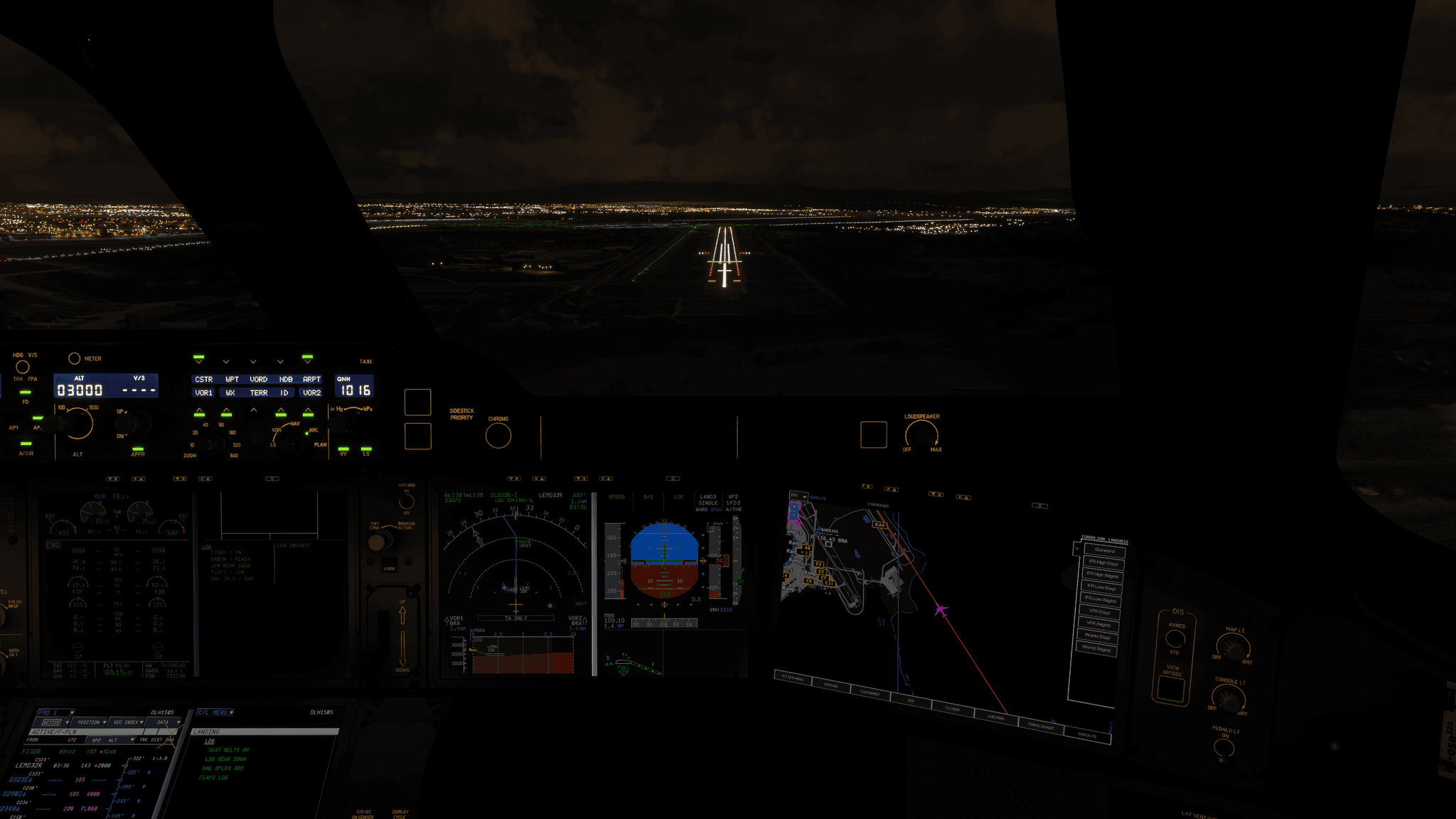
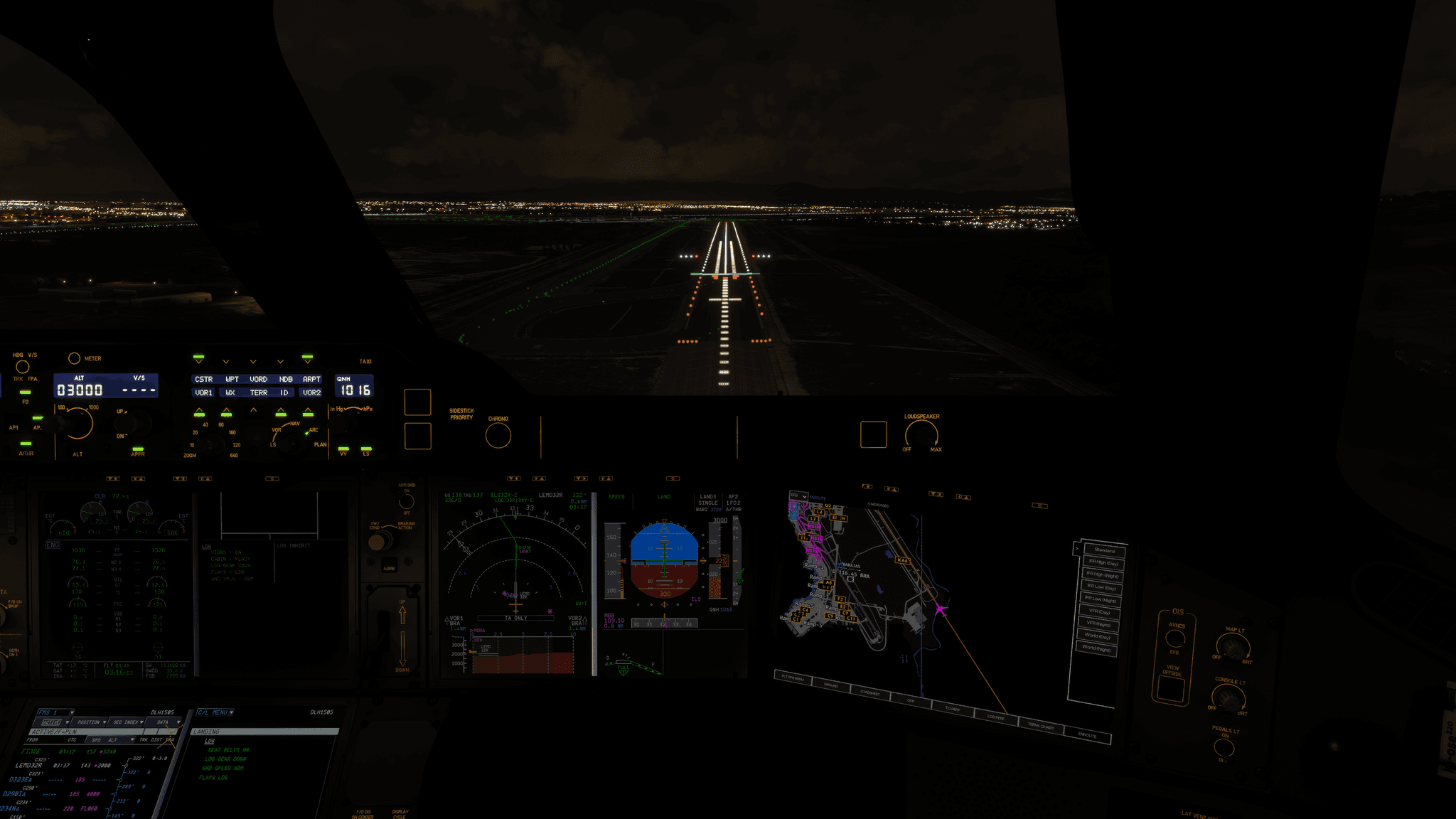
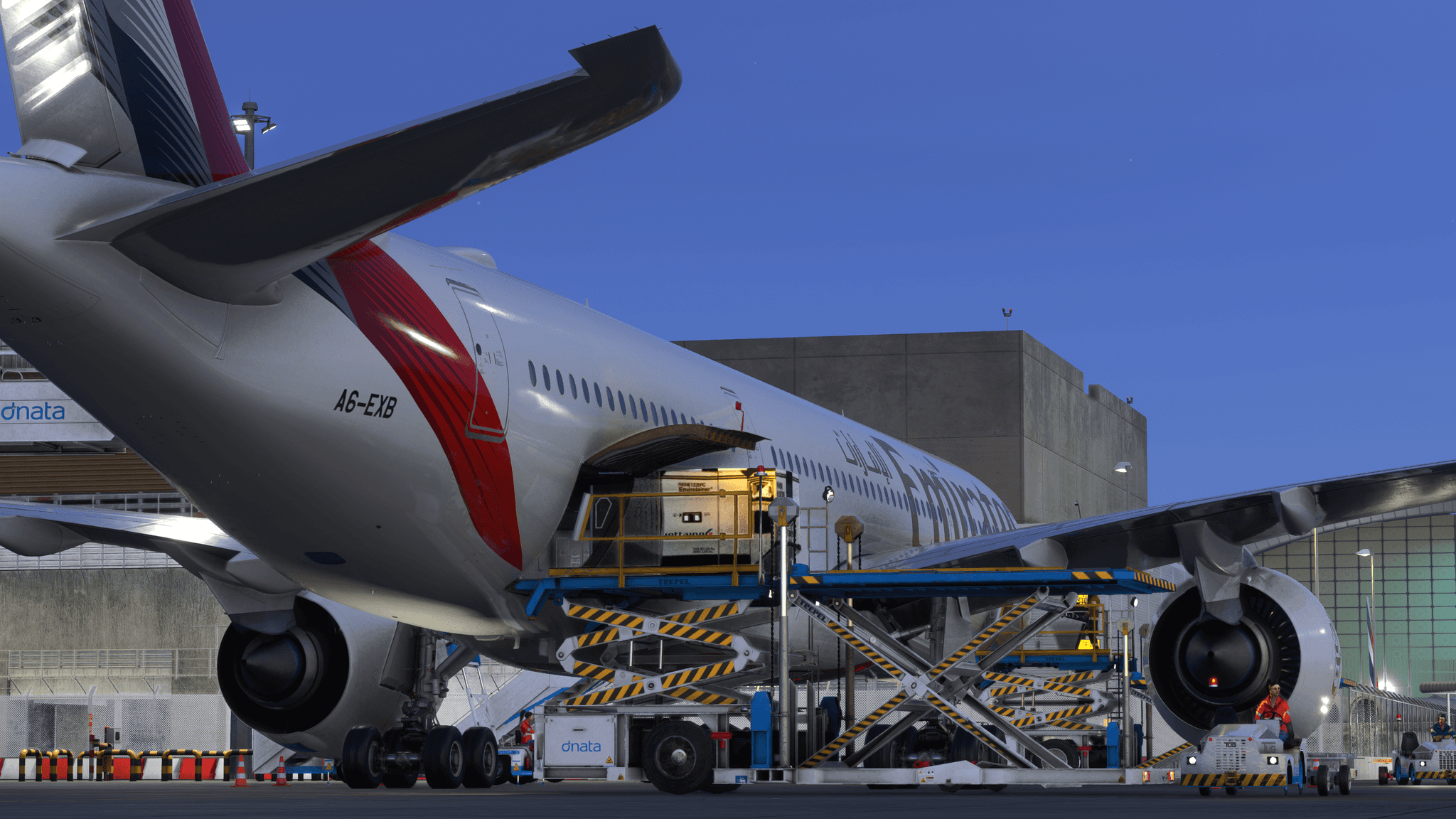
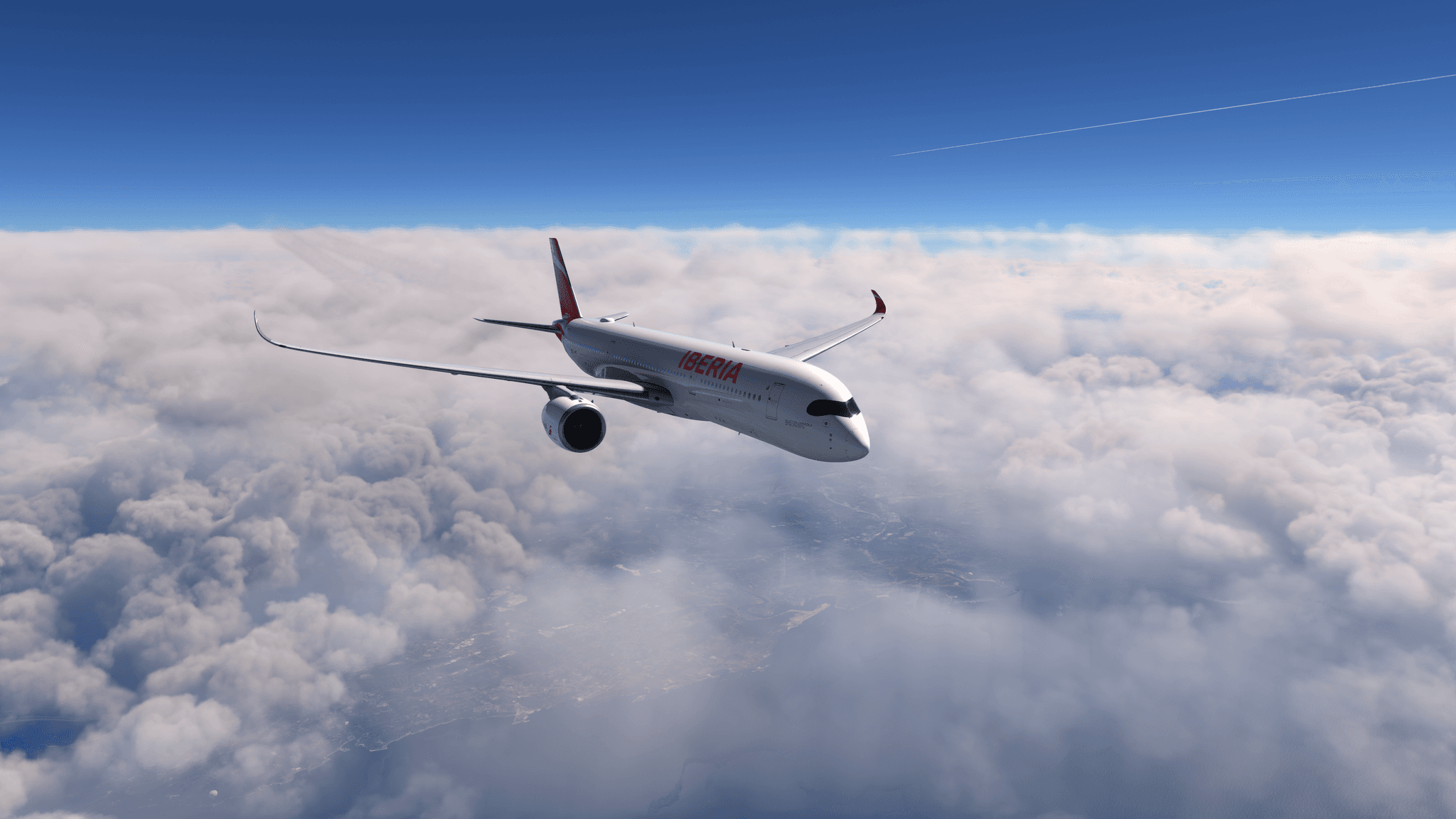
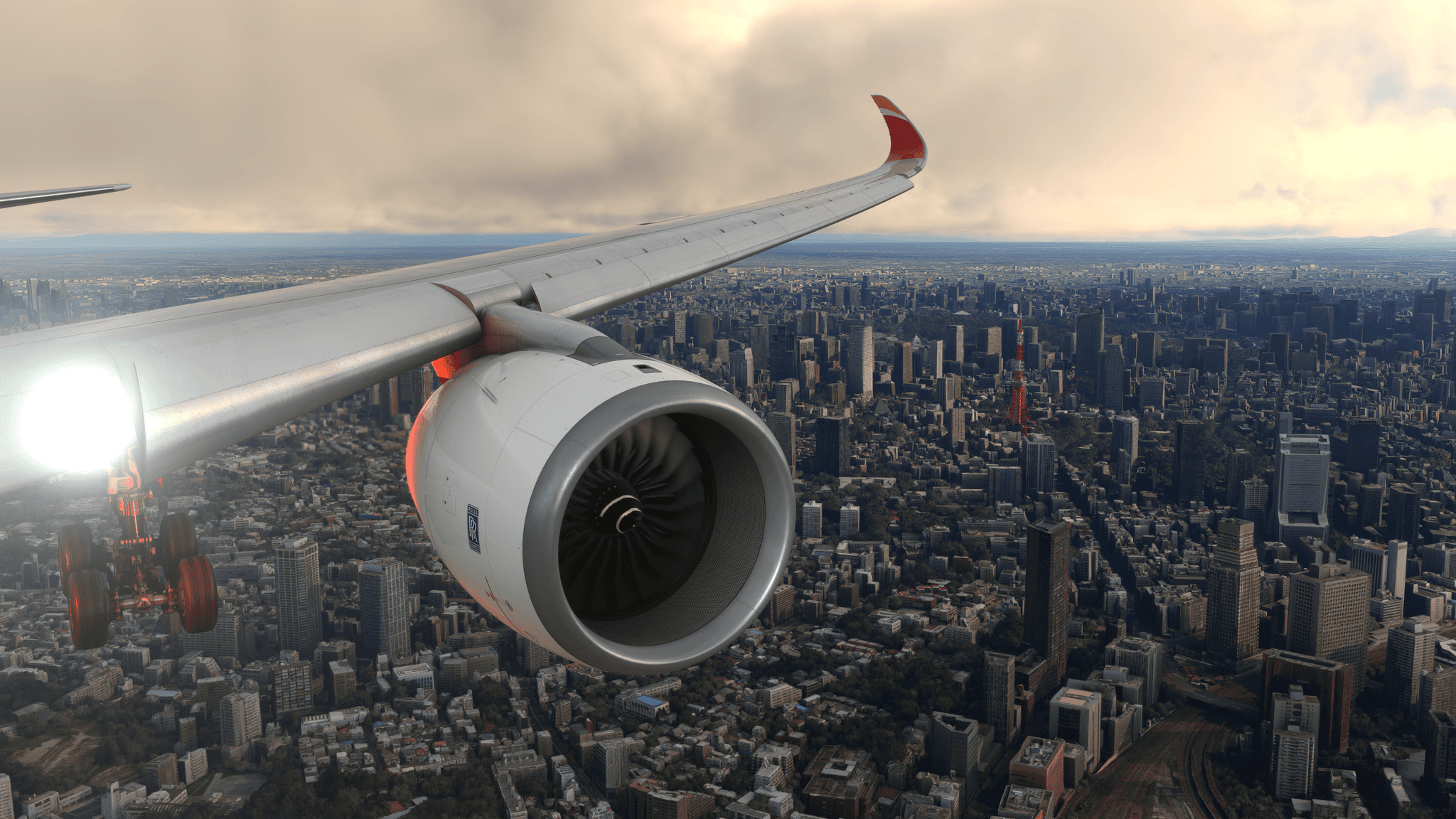
300+ hours in Airbus A350 (my favorite aircraft)
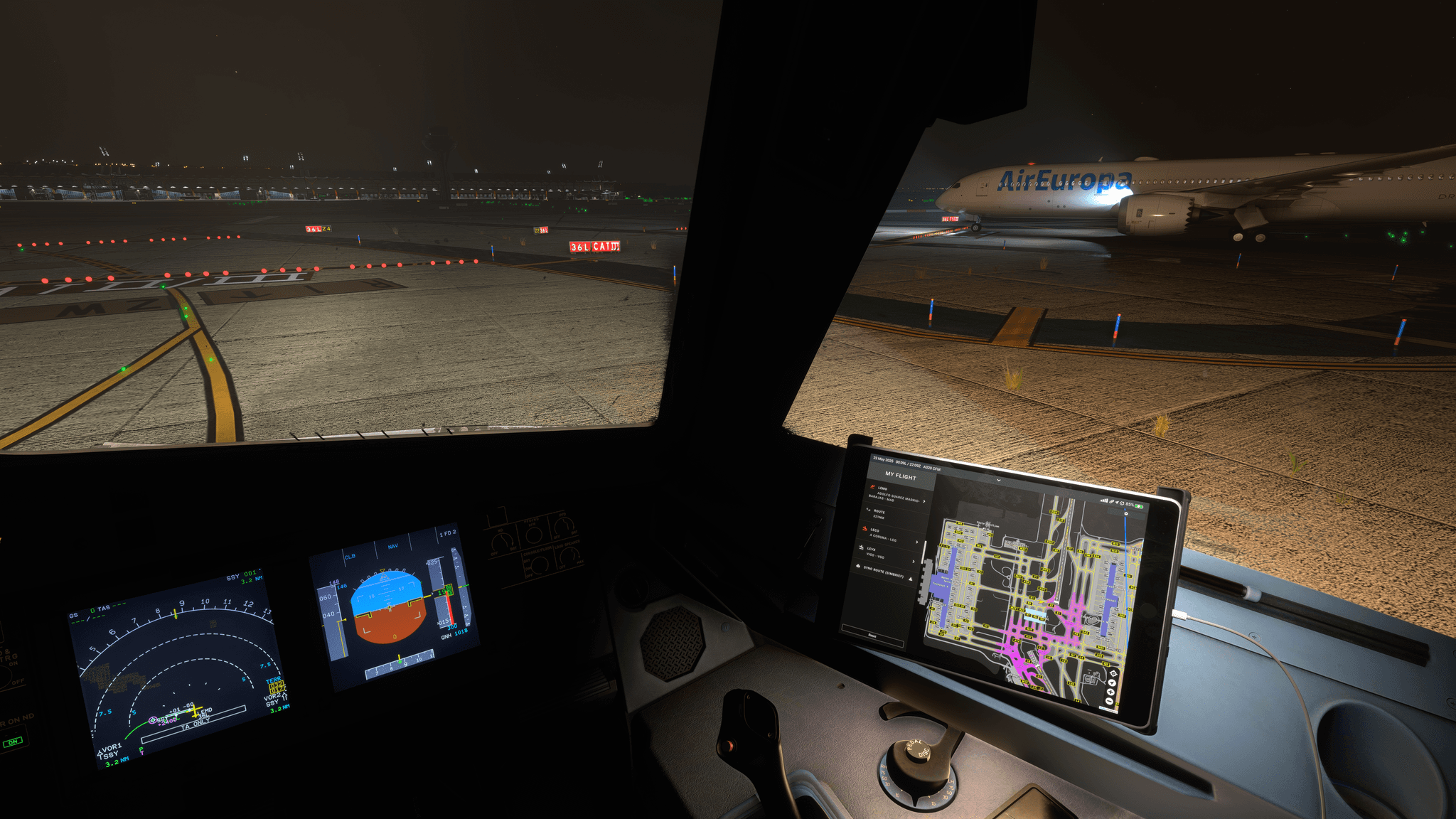
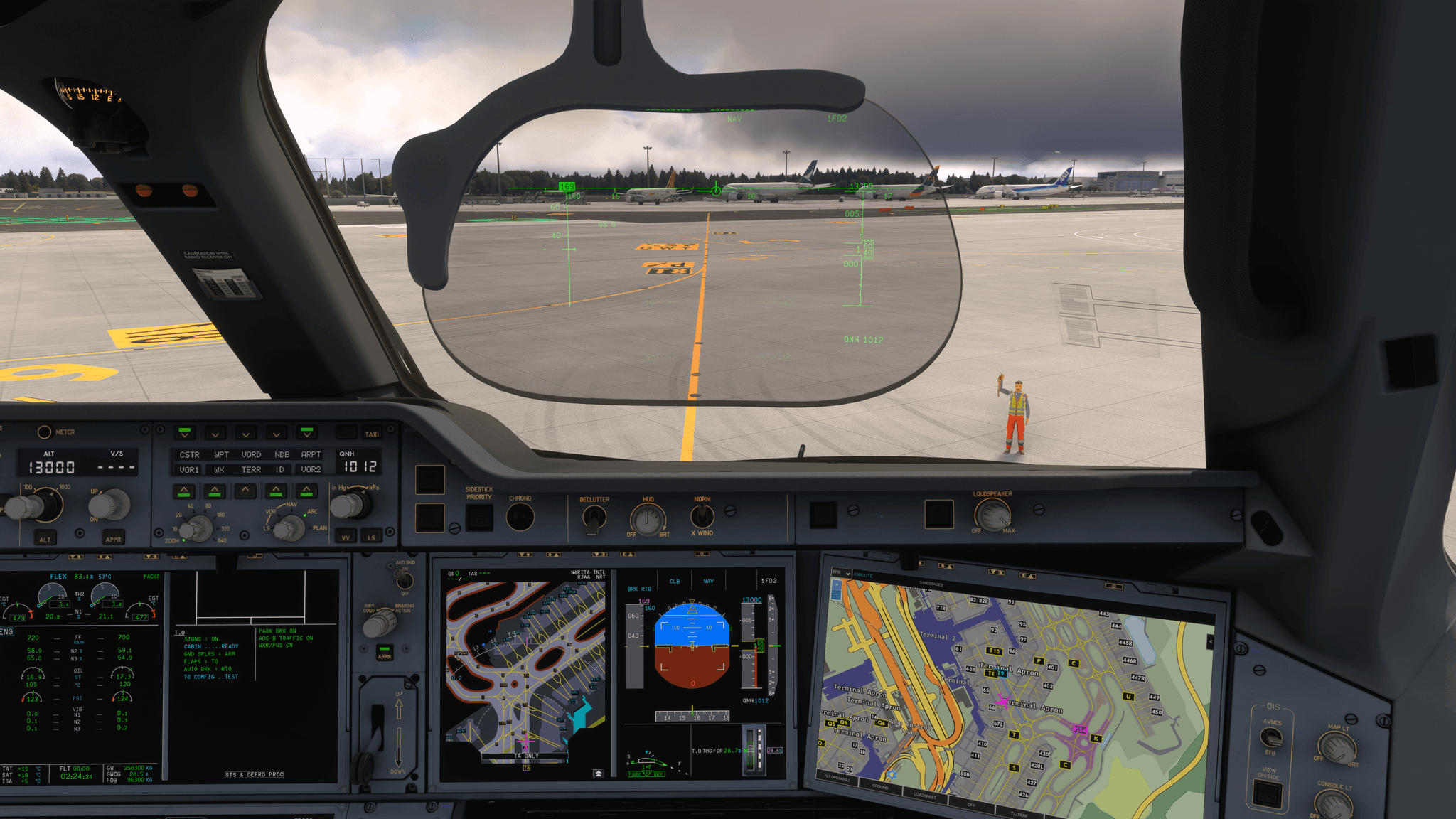
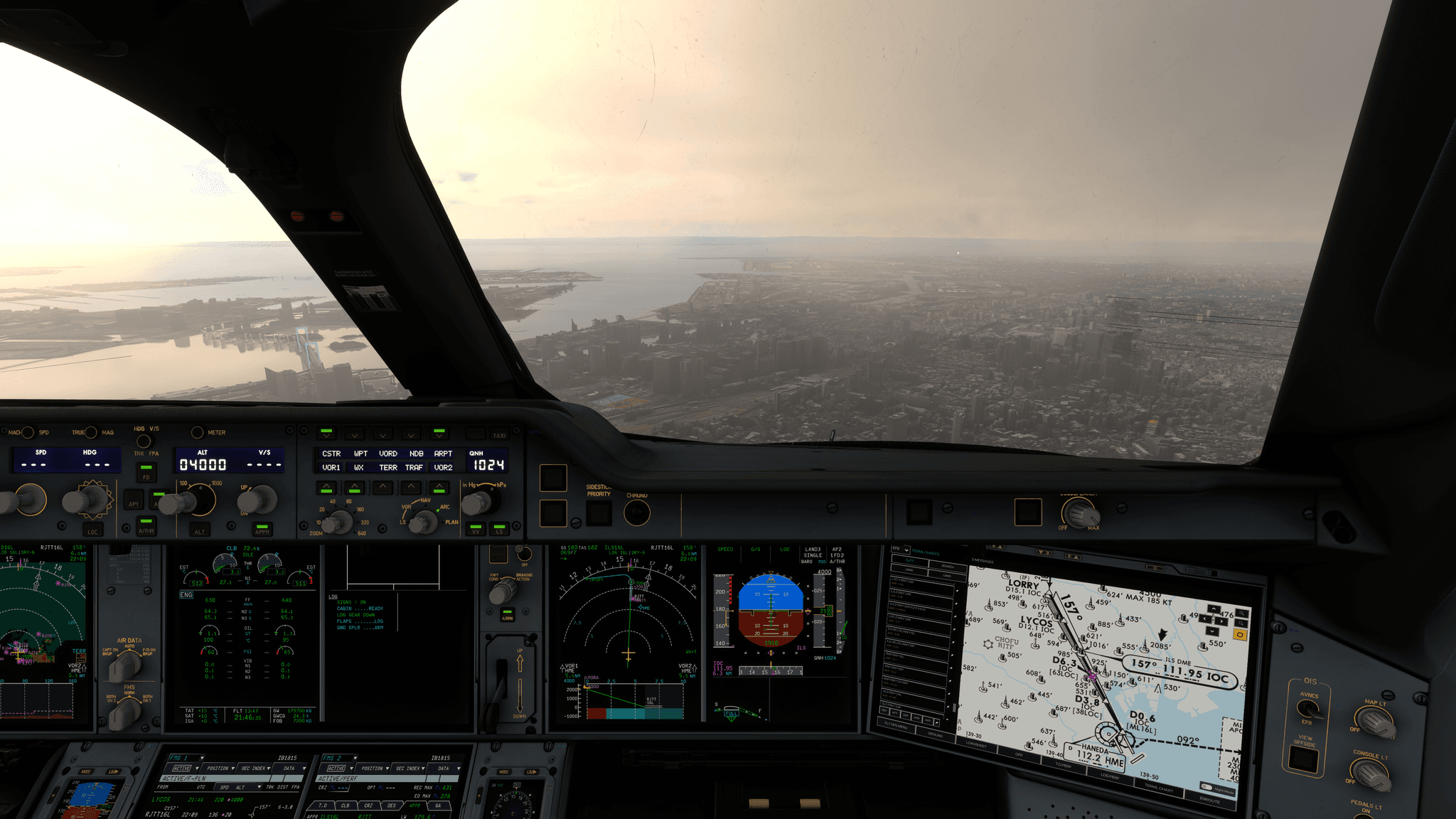
Connected ForeFlight to my simulator for real EFB training
My philosophy: I only fly aircraft I truly control, in real-time, with correct procedures.
This isn't a game—it's deliberate practice.
When Simulation Meets Reality
My first real flight after hundreds of sim hours:
I was surprisingly relaxed. I was trimming from minute one—muscle memory worked.
What's different: The physics. You feel the aircraft, the engine, every change.
What's the same: Procedures, instruments, situational awareness. The sim gave me exceptional spatial awareness.
My strength: Obsession with maps and cartography. I know where I am, where I'm going, and what's around me—always.
What Aviation Taught Me About UX Design
After 10 years immersed in aviation while working as a product designer,
these principles became crystal clear:
1. Clarity Can Be Life or Death
In aviation, ambiguity kills. A pilot needs critical information at a glance.
Principle: If a user has to think about what something means, the design has failed.
2. Consistency Prevents Errors
The Airbus common type rating philosophy: same system, same place. Muscle memory saves lives.
Principle: Consistency isn't just good UX—it's a safety feature.
3. Progressive Disclosure
Flight displays show the essentials. Complexity is revealed only when necessary.
Principle: Start with what users need 80% of the time. Make advanced features accessible, not intrusive.
4. Design For The Real World
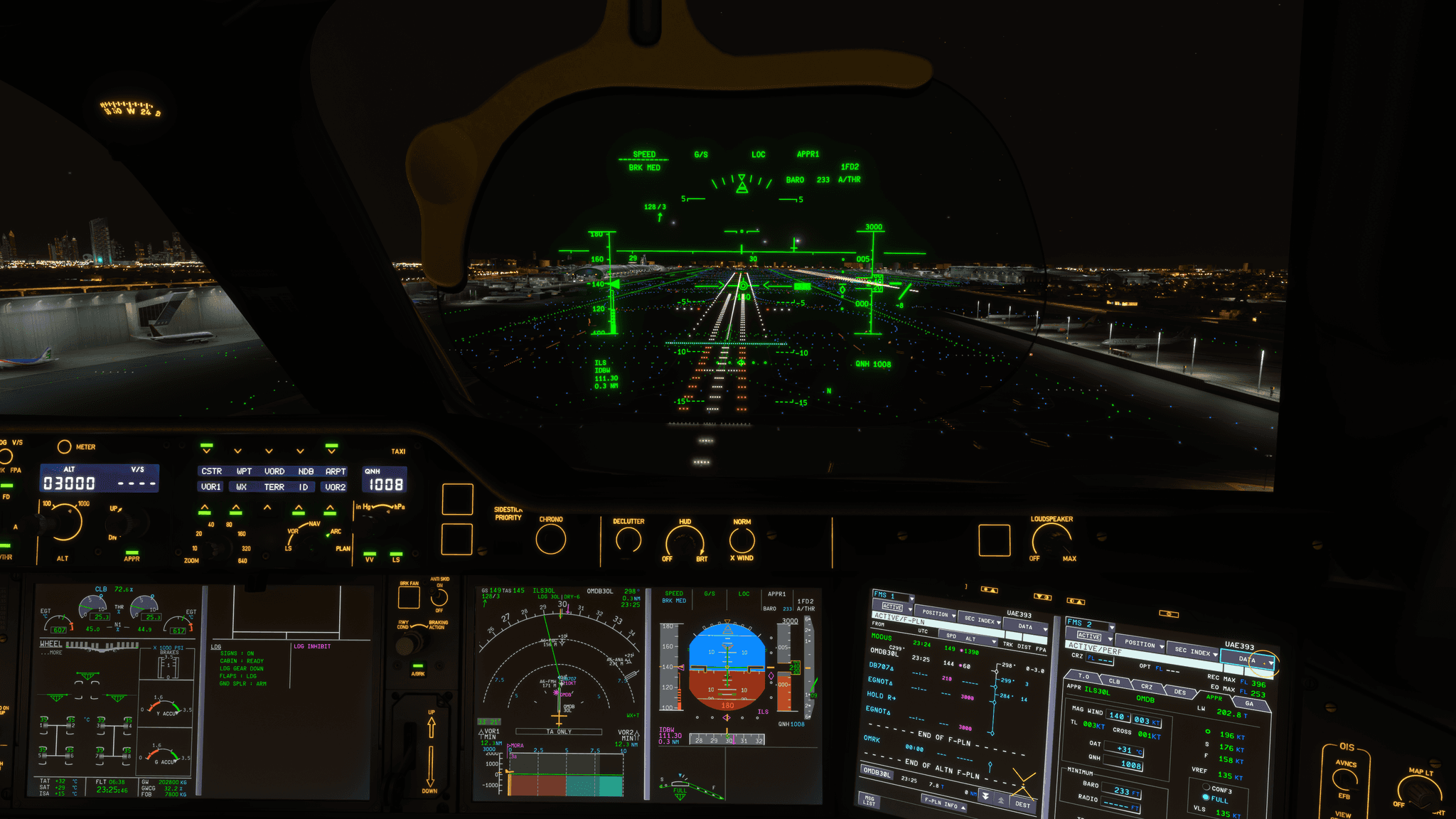
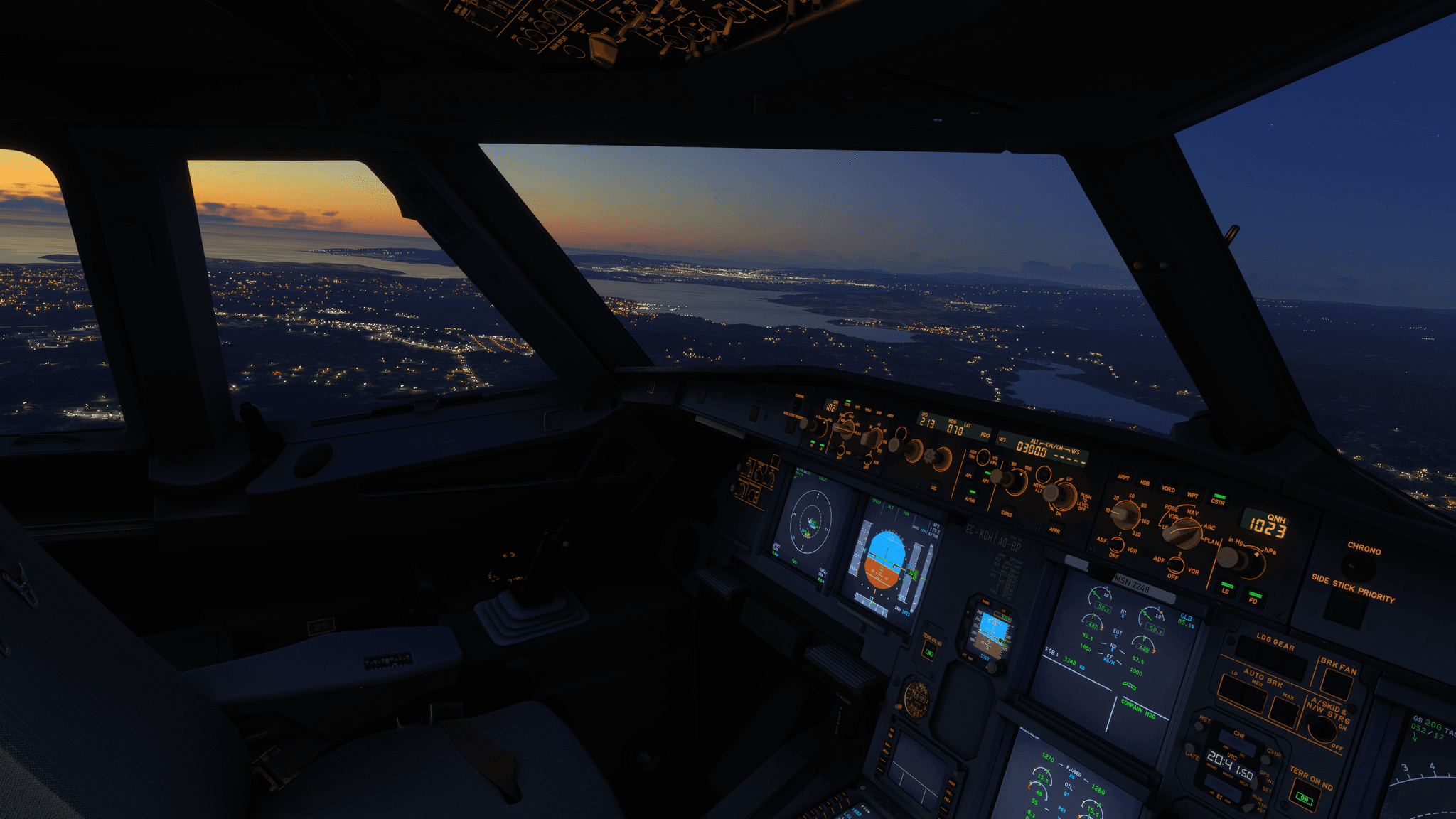
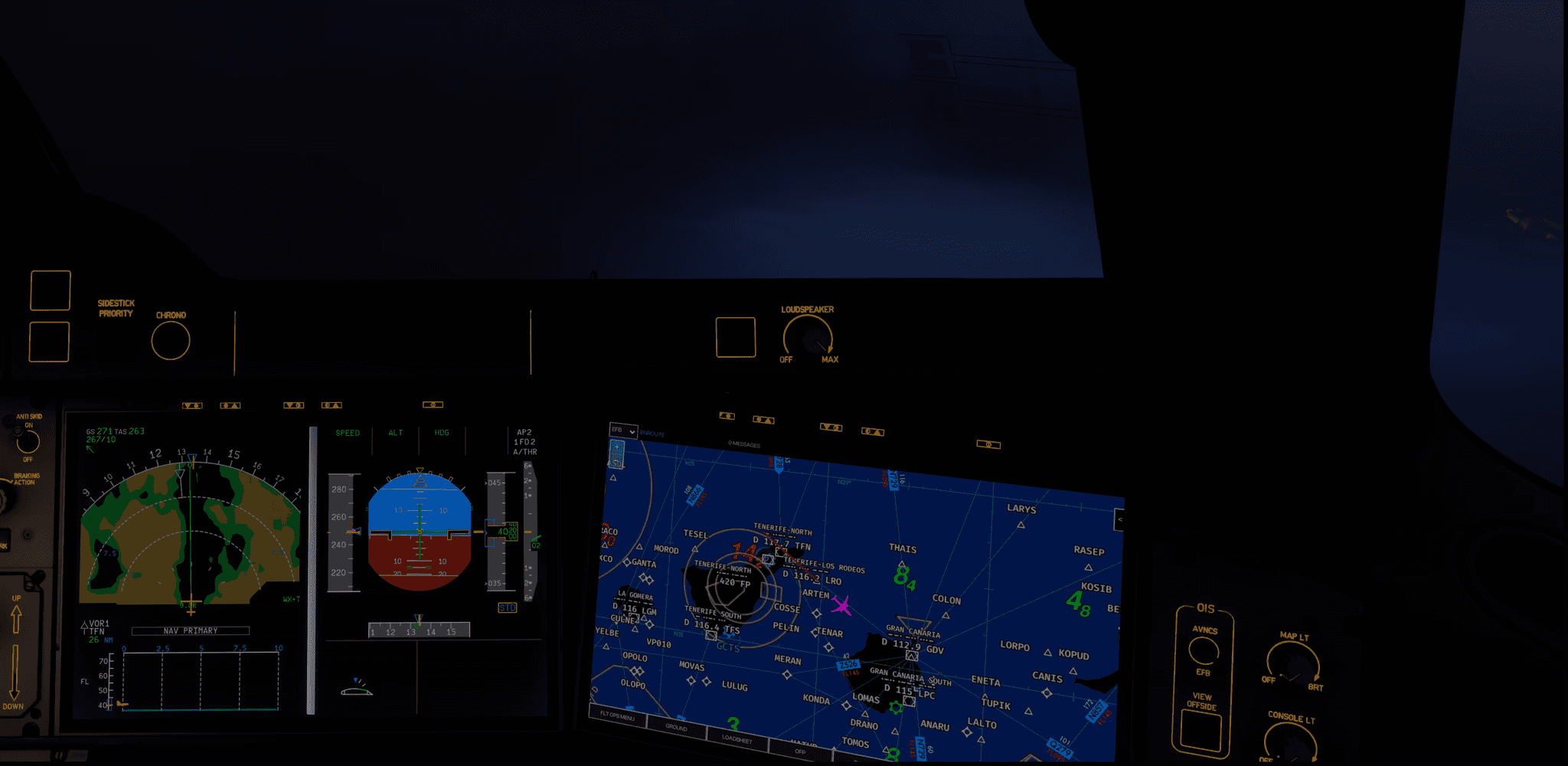
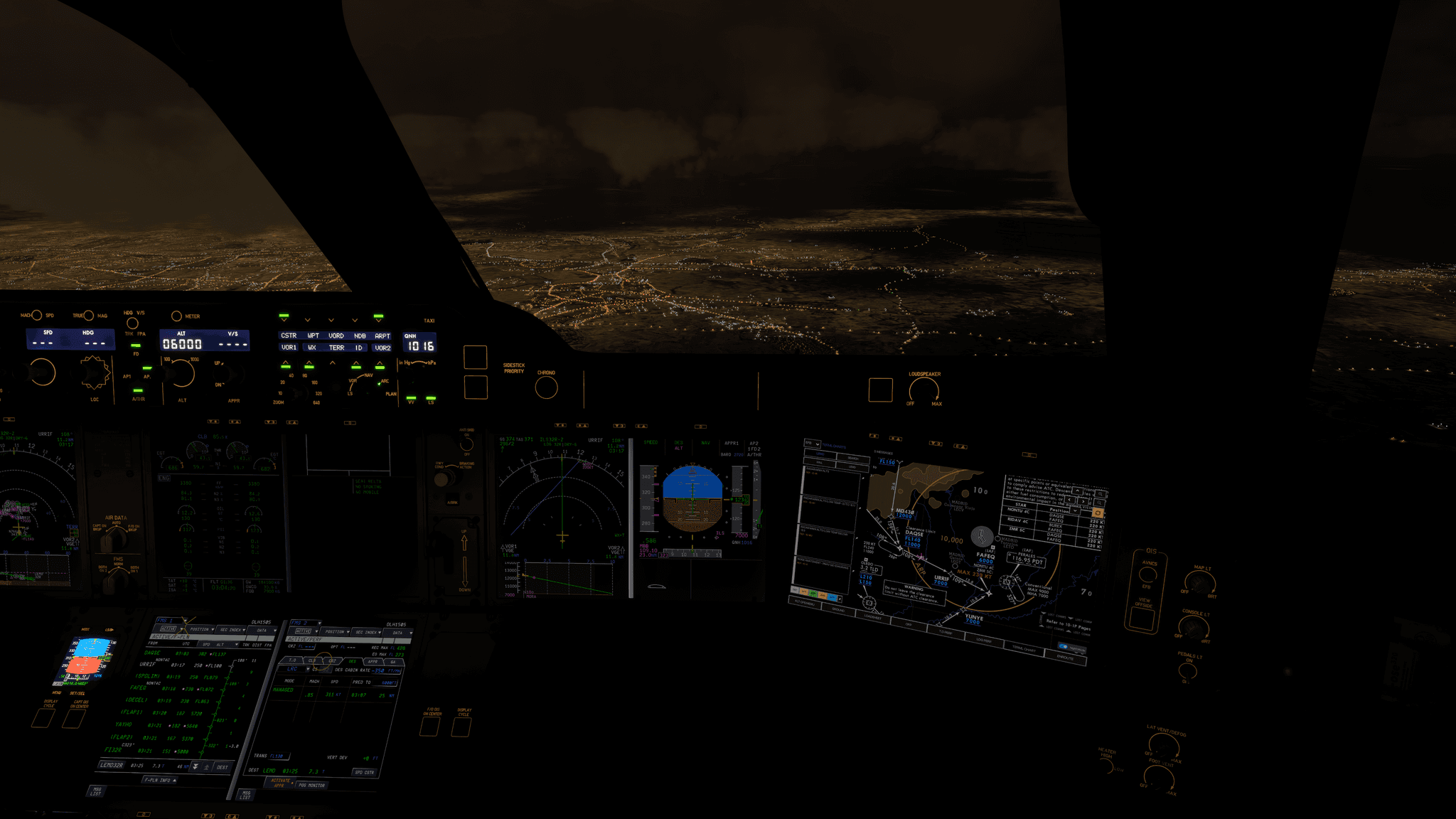
Try reading a bright white screen in a cockpit at night. Dark mode isn't aesthetics—it's functionality.
Principle: Design for real conditions, not ideal ones.
5. Prevention > Correction
You can't retract the landing gear on the ground. Errors are hard to make.
Principle: The best error message is the one that never appears.
6. Software As A Force Multiplier
"With ForeFlight properly configured, your Cessna becomes an A350."
Principle: The best tools make users feel more capable, more confident, more professional.
Why ForeFlight
I discovered ForeFlight in 2018 when I was frustrated with manual calculations. Since then, it's been my constant companion—in real flight and simulation.
What I Love
Aircraft Presets: The feature that made me fall in love
Flight Planning: From idea to complete IFR plan in minutes
Flight Recording: Seeing my actual track vs. the ideal chart = transformative learning
Synthetic Vision: Glass cockpit for any aircraft
The Integration: It's not an app—it's the nervous system of modern GA flight
What I Would Design
After extensively studying Jeppesen, Navigraph, and ForeFlight (benchmarking is part of my process), I see opportunities to make complex procedures even more accessible.
Feature ideas: AI-powered flight debriefing
1. AI-Powered Flight Debriefing
After every flight, I use ForeFlight's recording feature to review what happened. Seeing my actual track overlaid on the approach plate is incredibly valuable—it shows exactly where I drifted, when I went high or low, where my speed wasn't optimal.
But here's the thing: I have to spot these issues myself. And after a demanding flight, my brain isn't always in the best state to analyze objectively.
Imagine if ForeFlight could do this automatically:
"Your approach was stable until 500 feet where you drifted 50 feet right of centerline. Your descent rate exceeded optimal by 200 FPM between 1,000 and 500 feet. Consider earlier wind correction on final."
Not just data—actionable insights. Like having a CFI debrief every flight, but scalable and always available. This would transform practice into deliberate practice, accelerating learning for every pilot.
2. Proactive Weather Monitoring During Flight
Imagine if ForeFlight actively monitored conditions along your route and at your destination, alerting you to critical changes while you're flying:
"Alert: Temperature at LEMD has dropped to 8°C. Icing conditions likely on approach."
Or during pre-flight planning: "Forecast temperature: 42°C. Operational limitation: Sequential engine start required."
3. Intelligent Operational Limitations Assistant
The AI could know your aircraft's limitations (from your Aircraft Profile) and proactively alert you when conditions approach critical limits—temperature, crosswind, weight, runway conditions. An intelligent safety net that complements pilot knowledge..
What Aviation Taught Me About UX Design
After 10 years immersed in aviation while working as a product designer,
these principles became crystal clear:
1. Clarity Can Be Life or Death
In aviation, ambiguity kills. A pilot needs critical information at a glance.
Principle: If a user has to think about what something means, the design has failed.
2. Consistency Prevents Errors
The Airbus common type rating philosophy: same system, same place. Muscle memory saves lives.
Principle: Consistency isn't just good UX—it's a safety feature.
3. Progressive Disclosure
Flight displays show the essentials. Complexity is revealed only when necessary.
Principle: Start with what users need 80% of the time. Make advanced features accessible, not intrusive.
4. Design For The Real World
Try reading a bright white screen in a cockpit at night. Dark mode isn't aesthetics—it's functionality.
Principle: Design for real conditions, not ideal ones.
5. Prevention > Correction
You can't retract the landing gear on the ground. Errors are hard to make.
Principle: The best error message is the one that never appears.
6. Software As A Force Multiplier
"With ForeFlight properly configured, your Cessna becomes an A350."
Principle: The best tools make users feel more capable, more confident, more professional.
Why ForeFlight
I discovered ForeFlight in 2018 when I was frustrated with manual calculations. Since then, it's been my constant companion—in real flight and simulation.
What I Love
Aircraft Presets: The feature that made me fall in love
Flight Planning: From idea to complete IFR plan in minutes
Flight Recording: Seeing my actual track vs. the ideal chart = transformative learning
Synthetic Vision: Glass cockpit for any aircraft
The Integration: It's not an app—it's the nervous system of modern GA flight
What I Would Design
After extensively studying Jeppesen, Navigraph, and ForeFlight (benchmarking is part of my process), I see opportunities to make complex procedures even more accessible.
My dream feature: AI-powered flight debriefing.
Feature ideas: AI-powered flight debriefing
1. AI-Powered Flight Debriefing
After every flight, I use ForeFlight's recording feature to review what happened. Seeing my actual track overlaid on the approach plate is incredibly valuable—it shows exactly where I drifted, when I went high or low, where my speed wasn't optimal.
But here's the thing: I have to spot these issues myself. And after a demanding flight, my brain isn't always in the best state to analyze objectively.
Imagine if ForeFlight could do this automatically:
"Your approach was stable until 500 feet where you drifted 50 feet right of centerline. Your descent rate exceeded optimal by 200 FPM between 1,000 and 500 feet. Consider earlier wind correction on final."
Not just data—actionable insights. Like having a CFI debrief every flight, but scalable and always available. This would transform practice into deliberate practice, accelerating learning for every pilot.
2. Proactive Weather Monitoring During Flight
Imagine if ForeFlight actively monitored conditions along your route and at your destination, alerting you to critical changes while you're flying:
"Alert: Temperature at LEMD has dropped to 8°C. Icing conditions likely on approach."
Or during pre-flight planning: "Forecast temperature: 42°C. Operational limitation: Sequential engine start required."
3. Intelligent Operational Limitations Assistant
The AI could know your aircraft's limitations (from your Aircraft Profile) and proactively alert you when conditions approach critical limits—temperature, crosswind, weight, runway conditions. An intelligent safety net that complements pilot knowledge..
The Perfect Intersection
At 38, I reached a crossroads. Becoming a professional pilot would mean leaving behind design and technology—two fields I'm deeply passionate about.
But Juanito asked me a question that changed everything:
"Why don't you design EFBs and aviation software?"
That question brought me here.
I've spent 10 years understanding pilot workflows—not theoretically, but practically, through thousands of hours in the cockpit (virtual and real).
I know what pilots need because I am one
I know how to design for them because that's what I've done for a decade—building complex systems for millions of users across 16 countries
I want to design the tools I use every time I fly.
The Perfect Intersection
At 38, I reached a crossroads. Becoming a professional pilot would mean leaving behind design and technology—two fields I'm deeply passionate about.
But Juanito asked me a question that changed everything:
"Why don't you design EFBs and aviation software?"
That question brought me here.
I've spent 10 years understanding pilot workflows—not theoretically, but practically, through thousands of hours in the cockpit (virtual and real).
I know what pilots need because I am one
I know how to design for them because that's what I've done for a decade—building complex systems for millions of users across 16 countries
I want to design the tools I use every time I fly.
By The Numbers
Flight Experience:
10 years of professional simulation
Complete PPL theory + 14h real flight
500+ hours Boeing 737/787
500+ hours Airbus A320
300+ hours Airbus A350
Design Experience:
10+ years at Telefónica and Tuenti
Complex systems, millions of users
16 countries
Specialized in critical interfaces
Tools:
ForeFlight (power user)
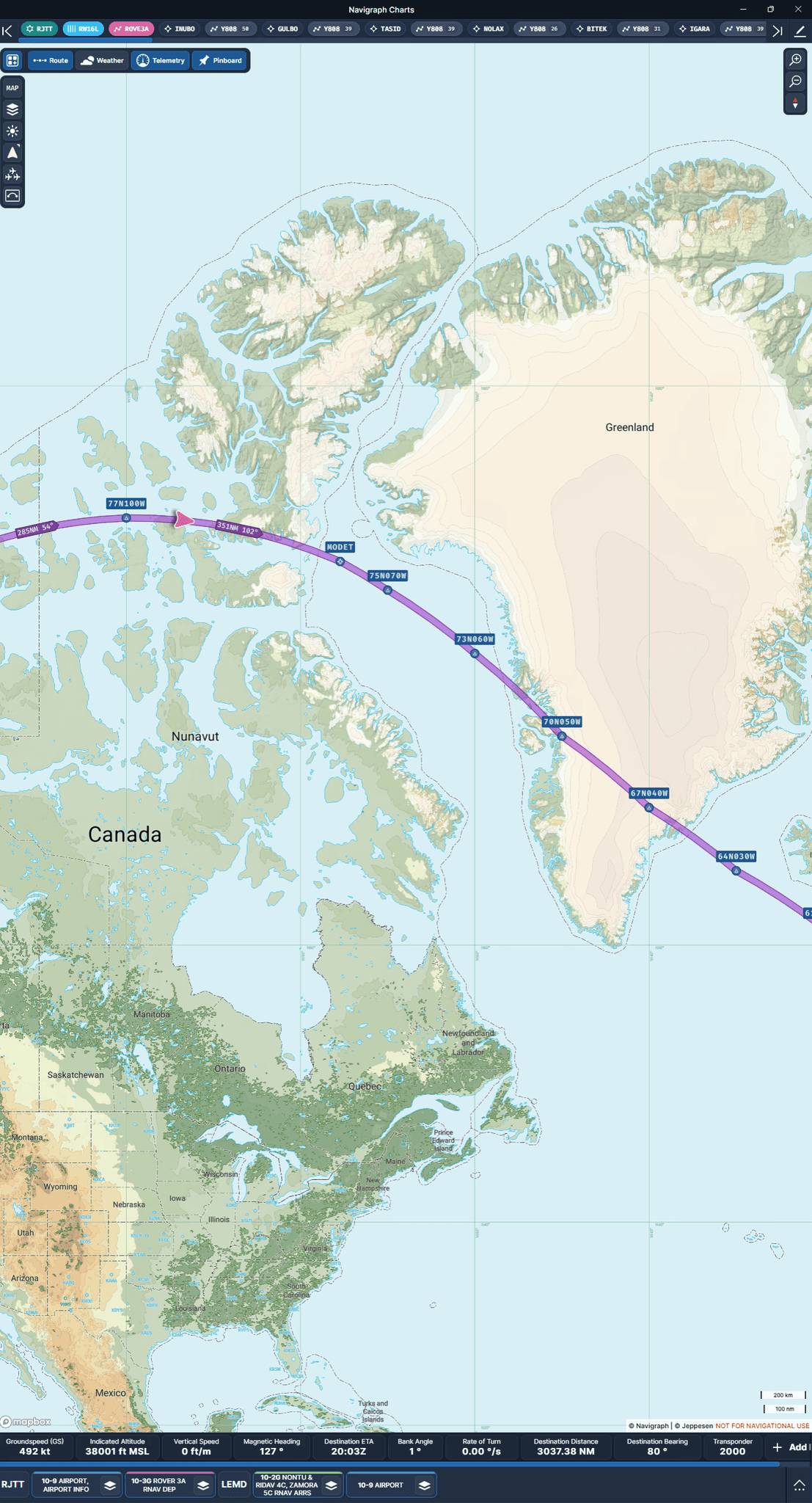
Navigraph (10 years)
Jeppesen FliteDeck Pro
Professional EFBs
The Vision
The Airbus A350 taught me that engineering perfection is possible.
ForeFlight taught me that great software can elevate any aircraft.
Ten years of dedication taught me that passion, combined with skill, can bridge any gap.
I'm ready to build the future of aviation software.
Let's fly. ✈️
Beyond the Cockpit
A journey told calmly, yet lived intensely.
This is where design and aviation converge — in the pursuit of clarity, precision, and purpose.